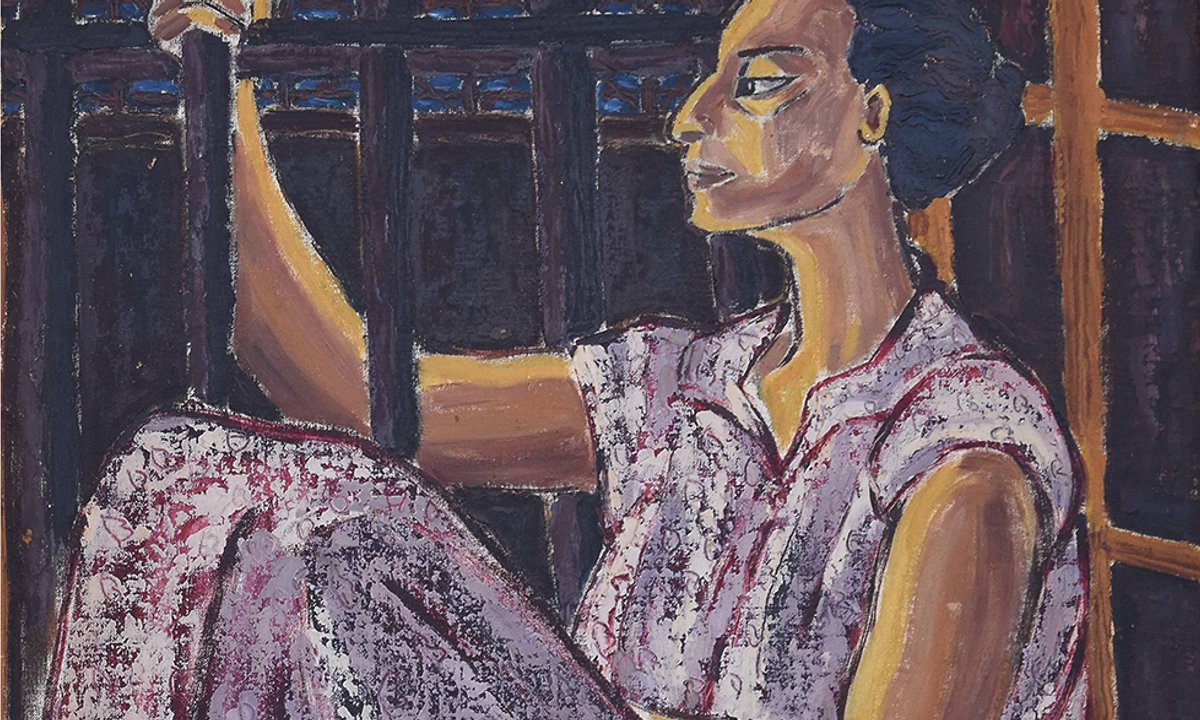
"Efflatoun's paintings address the hardships and oppressive conditions against which she agitated: images of textile workers at the loom; a hanged man, his hands bound behind him with rope; a mother at home with her newborn child; prisoners during her time."
"Her first major exhibition in 1952 featured fellaha women, and was seen as a victory for Egyptian feminism, with students taking pictures of the paintings and reproducing them as political flyers."
Inji Efflatoun, an influential Modernist artist, went into hiding in 1959 to evade arrest amid government crackdowns in Egypt. She disguised herself as a fellaha, adopting a different dialect and appearance. Despite her efforts, authorities discovered her, but her political activism continued. Efflatoun was involved in feminist and socialist causes, organizing protests and boycotts. Her art reflected her activism, with significant exhibitions highlighting the struggles of women and workers. She endured four and a half years of imprisonment, during which she continued to create impactful artwork.
Read at The Art Newspaper - International art news and events
Unable to calculate read time
Collection
[
|
...
]