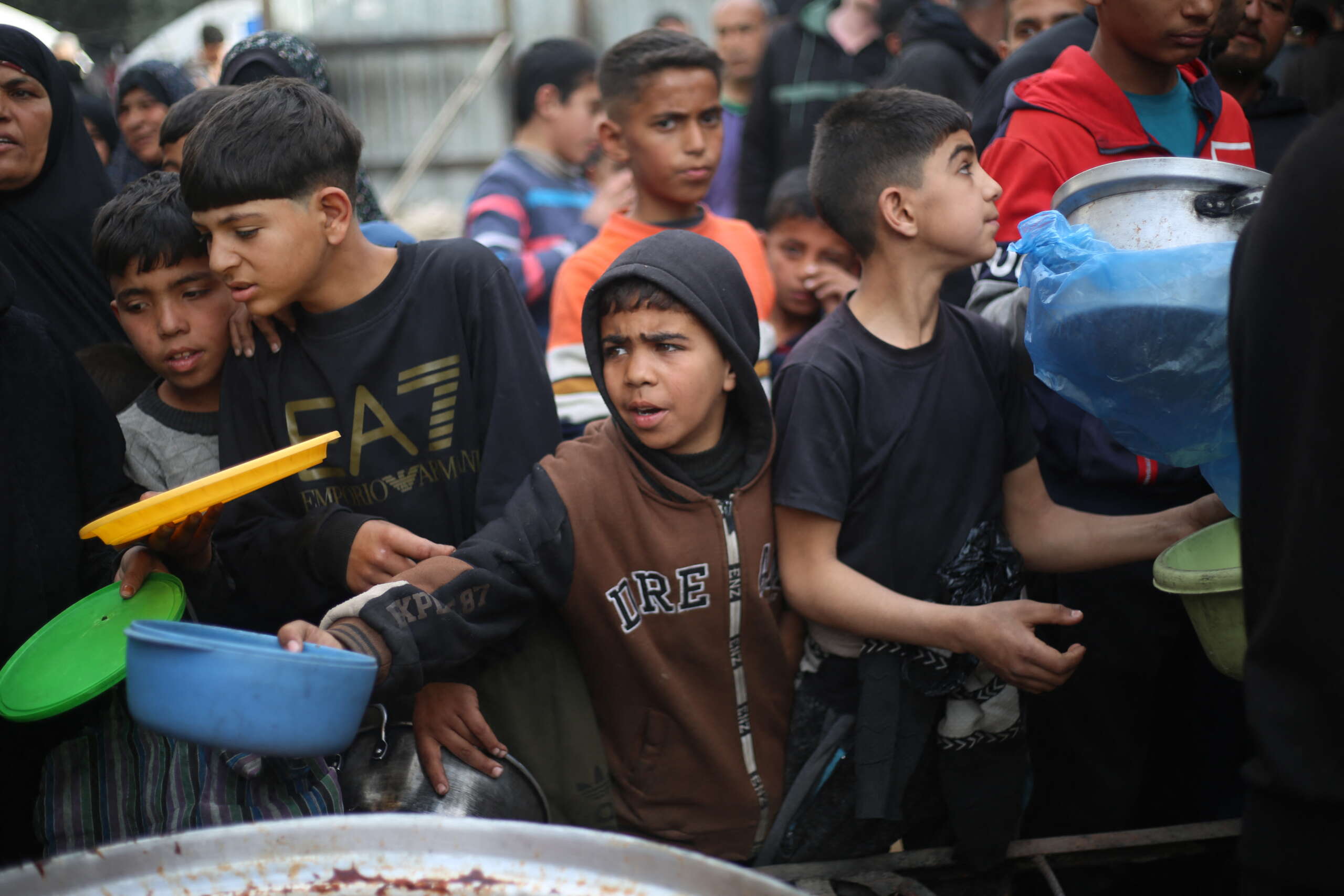
"Yousef al-Lahham, 54, walked through the Khan Younis market last week looking for food, but was unable to find anything even remotely affordable. Prices for basic necessities in the Gaza Strip have continued to rise ever since the U.S. and Israel started their war on Iran. For Palestinians in Gaza, who have lived through repeated waves of food shortages, man-made famine, and soaring food prices, this all feels familiar."
"In late February, the Israeli government ordered the total closure of all border crossings into Gaza as the Iran war started, which included cutting off food and humanitarian aid. Prices immediately skyrocketed, further exacerbated by people flooding markets to stock up on necessities in anticipation of eventual shortages."
"On March 3, Israel began allowing small quantities of food into the Strip through the Karam Abu Salem crossing in the south, while the Rafah crossing with Egypt and the Zikim crossing in the north have both remained closed. Yet the number of trucks allocated to enter in a single day - over 200 carrying dairy products, soft drinks, fruits, vegetables, chocolate, frozen food, cookies, and cakes - was spread across the first two weeks of March."
Following the U.S. and Israel's war on Iran, Gaza experienced a total closure of border crossings in late February, cutting off food and humanitarian aid. Israel subsequently allowed minimal food quantities through the Karam Abu Salem crossing, allocating only 40-50 trucks daily despite receiving over 200 trucks carrying various goods during the first two weeks of March. The Rafah and Zikim crossings remained closed. These restrictions have caused food prices to skyrocket as Palestinians struggle to afford basic necessities. Residents report difficulty assembling adequate meals for families, raising concerns about potential famine returning to the Strip. The UN highlighted worries about humanitarian supplies and private sector goods availability.
#gaza-food-crisis #border-closures #humanitarian-aid-restrictions #food-prices-inflation #famine-concerns
Read at Truthout
Unable to calculate read time
Collection
[
|
...
]