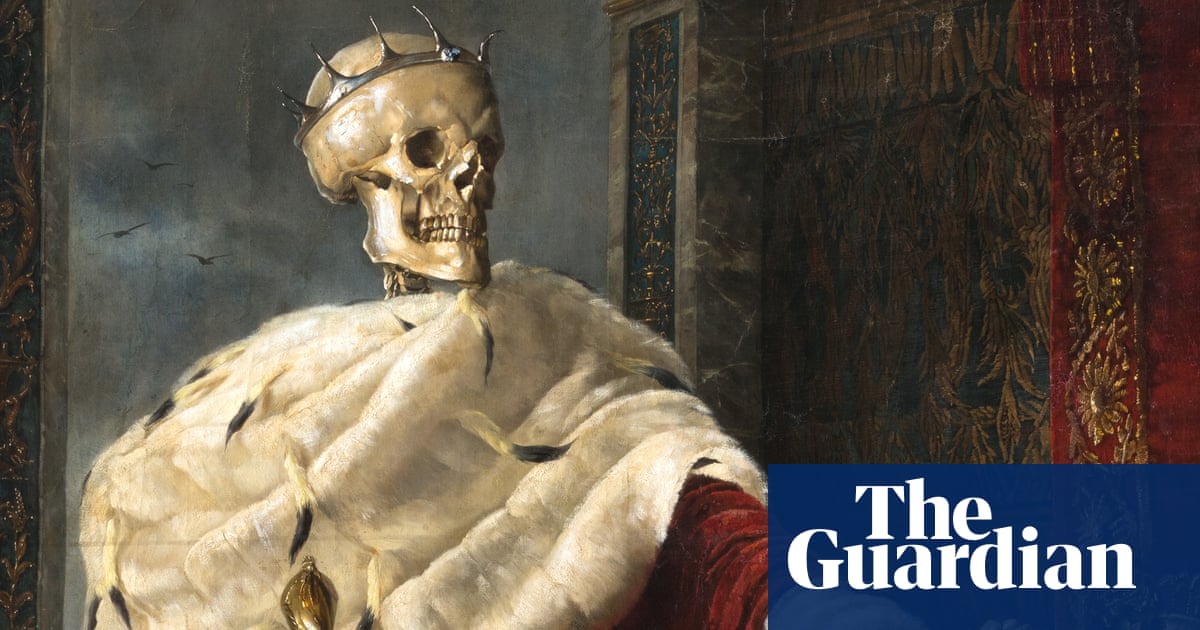
"Mors Imperator (Death is the Ruler), the German artist Hermione von Preuschen's 1887 symbolical painting, was meant to express the transience of fame and power."
"The scandal around von Preuschen's work illustrates how prone single-ruler autocracies can be to paranoia about hidden meanings in art."
"Hermione von Preuschen was bold, not short of self-belief, and an early advocate of female emancipation, said Birgit Verwiebe, an art historian."
"Mors Imperator is seen as a powerful allegory of death and power, and was misinterpreted in the late 19th century."
Mors Imperator, painted by Hermione von Preuschen in 1887, symbolizes the fleeting nature of fame and power. The painting was rejected by authorities due to fears it mocked Emperor Wilhelm I. After more than a century, it will be displayed at the Alte Nationalgalerie museum in Berlin. The controversy surrounding the painting reflects the paranoia of autocratic regimes regarding art. Von Preuschen, a noblewoman and advocate for women's education in the arts, was not politically motivated, and her work was misinterpreted in the 19th century.
Read at www.theguardian.com
Unable to calculate read time
Collection
[
|
...
]