"She enjoyed laughing at her own jokes, revelling in the misfortunes of others, and telling people off. If an event combined opportunities for all three activities, so much the better. When my father was six, he refused to eat the meatloaf that his mother had given him for lunch. Gisela took the piece of meatloaf, now rapidly turning rancid in the Zimbabwe afternoon heat, and served it to him for dinner, and breakfast, and every subsequent meal until he forced himself to eat it."
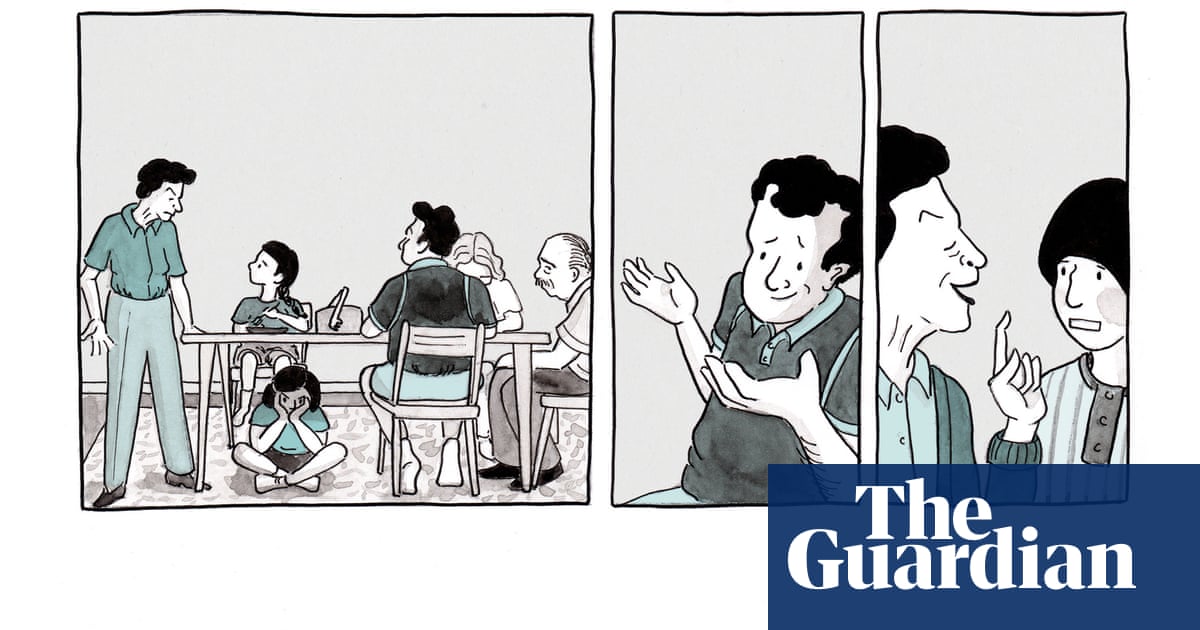
"I am six years old, surveying the horror-movie tableau of my grandmother's dinner table in Freiburg: the pungent pink slab of Fleischkase, the trembling white sausages in a bowl of what appears to be lukewarm dishwater, the slimy cold herrings in pickle juice, the brick of black rye bread that takes 20 minutes to saw through and three days to digest."
"Gisela is apoplectic, channelling her rage towards my father for being a permissive weakling, but ultimately powerless to exert her will over the next generation. She exacts her revenge for the next two decades: every time we are in company, she recounts this story in detail, my food refusal getting wilder and her reaction more saintly with each retelling, as she works her way up to the punchline. Then she sat under the table for the whole meal LIKE A DOG!"
Gisela was a German-Jewish grandmother known for harshness, laughing at her own jokes, reveling in others' misfortunes, and telling people off. When her son refused meatloaf at age six in Zimbabwe, she forced him to eat the same rancid piece for every subsequent meal until he complied. Decades later in Freiburg, a six-year-old refused the pungent dinner and crawled under the table; Gisela expressed furious disapproval but could not control the younger generation. She retaliated by recounting and embellishing the incident for years, turning the memory into a recurring, punitive family anecdote.
Read at www.theguardian.com
Unable to calculate read time
Collection
[
|
...
]