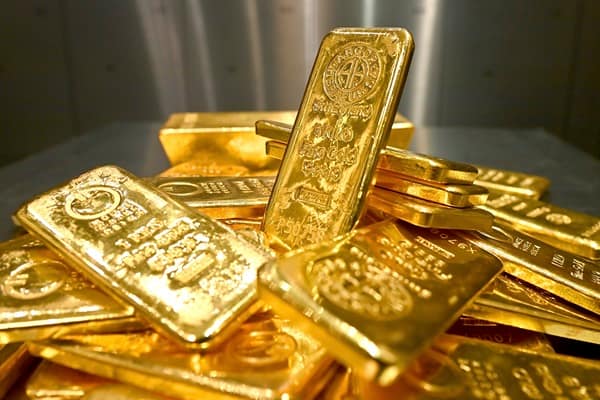
"Gold rose too far, too quickly into record territory, and the structure of that rise left it exposed once prices started to slip. At the peak, large parts of the gold market were held by traders using borrowed money. Futures contracts, options, and leveraged ETFs all expanded rapidly as prices surged above $5,000 an ounce. Those positions only function smoothly while prices move higher or sideways. Once prices began falling, the mechanics turned hostile."
"The first phase of the decline has been dominated by forced selling, not discretionary selling. Margin requirements were raised as volatility spiked. Traders were required to post cash immediately or close positions. Many chose, or were forced, to sell. This process pushes prices lower regardless of fundamentals."
"Once leverage is flushed out, selling pressure eases naturally. Traders who were forced sellers are no longer present, daily price swings narrow, and liquidity improves. Prices stop falling not because sentiment improves, but because the mechanical pressure ends."
Gold and silver experienced steep price declines, with gold falling close to 20% from its recent peak and silver suffering severe intraday losses. The sell-off displayed characteristics of a leverage-driven break as large portions of the gold market were held by traders using borrowed funds via futures, options and leveraged ETFs. Spiking volatility pushed up margin requirements, forcing many leveraged positions to be closed and driving rapid, mechanically induced selling that did not reflect long-term fundamentals. Once excessive leverage is removed, forced selling should subside, volatility should narrow, liquidity should improve, and downward pressure should ease.
Read at London Business News | Londonlovesbusiness.com
Unable to calculate read time
Collection
[
|
...
]