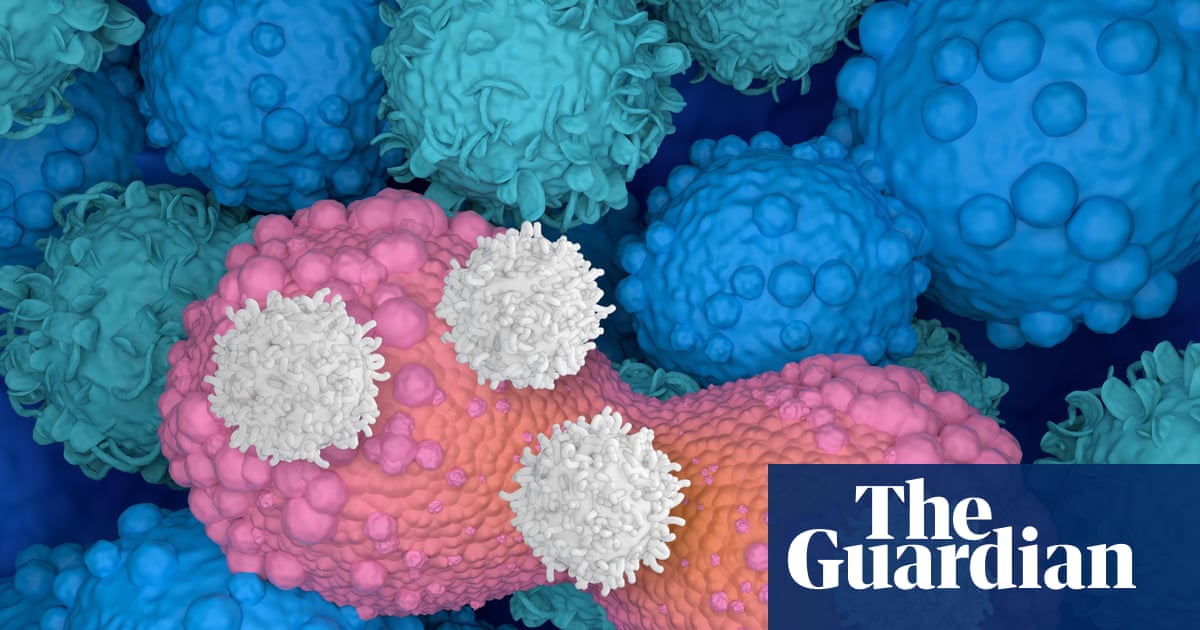
"CAR T-cell therapy, an emerging but still costly cancer treatment that supercharges the body's immune system to fight disease. Late last month, Jurassic Park actor Sam Neill put the treatment in the spotlight, revealing his stage three cancer was in remission after undergoing CAR T-cell therapy as part of a clinical trial in Sydney. He stopped short of describing his remission as a miracle the success, he said, was science at its best."
"The history of CAR (for chimeric antigen receptor) T-cell therapy is one of small discoveries accumulating over decades, leading to major advances in patient care. Pioneered in the 1990s, the therapy has exploded in the past decade. Four CAR T-cell therapies have been approved by the Therapeutic Goods Administration for use in Australia since 2018. All are for blood cancers."
"It is now being tweaked to combat solid tumours, with promising early signs of success tempered by the difficulties in tailoring T-cells to find their target. The future may even see it become an injectable. It's such an exciting time for cancer immunotherapy, because I really feel like we've just scratched the surface on what's possible, Jenkins says."
"The immune system is dizzyingly complex. Dare to boil its functions down to a single sentence, and you could say it defends the body from foreign invasion such as bacteria, viruses and fungi and cleans up damaged or cancerous cells. In its arsenal are a variety of white blood cells that identify threats and remove them, including T-cells. Cytotoxic, or killer, T-cells are the mercenaries of the immune system. Proteins on their surface lock onto invaders or diseased cells, such as cancer"
CAR T-cell therapy supercharges immune cells to fight cancer by engineering T-cells to recognize specific targets. The approach has progressed through decades of incremental discoveries, with major advances accelerating in the past decade. In Australia, four CAR T-cell therapies have been approved since 2018 for blood cancers. Clinical trial outcomes have shown remission in some patients, reinforcing confidence in the treatment’s potential. Researchers are now modifying CAR T-cells to address solid tumors, but success is constrained by challenges in tailoring cells to reliably find and bind targets. Future developments may include more convenient delivery methods such as injectable therapies.
Read at www.theguardian.com
Unable to calculate read time
Collection
[
|
...
]