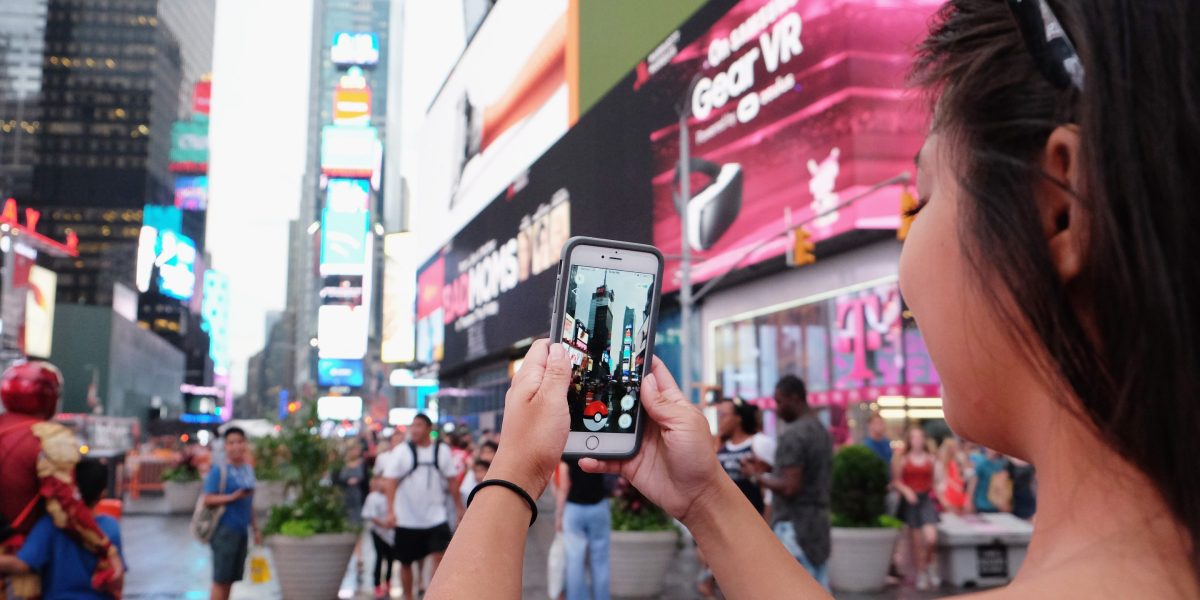
"We look at the player data as very high-quality ground training data for other lower-quality datasets. The long-term philosophy of Niantic Spatial is that we can solve these hard problems of localization, reconstruction, and semantics by using very concentrated places to train models and then use much more broadly available data at lower resolution to be able to localize, visualize, and understand from 'bad' data."
"Over the past decade, Pokémon Go players voluntarily submitted photos and short videos of public landmarks, street corners, storefronts, and urban intersections-all coming together to create a dataset that now stands at 30 billion images captured at ground level, across nearly every major city on the planet."
Pokémon Go generated a massive dataset of 30 billion ground-level images captured by players over the past decade across major cities worldwide. Niantic Spatial, the enterprise AI and mapping division of Niantic Inc., converted this crowdsourced data into a photorealistic, continuously updated street-level model designed specifically for robotics. This unprecedented dataset is now deployed by Coco Robotics to navigate approximately 1,000 delivery bots operating in cities including Los Angeles, Chicago, Miami, Jersey City, and Helsinki. The strategy leverages high-quality ground training data from Pokémon Go players combined with lower-resolution datasets to solve complex problems in localization, reconstruction, and semantic understanding for autonomous systems.
#crowdsourced-data #autonomous-delivery-robots #ai-mapping-technology #pokemon-go #robotics-navigation
Read at Fortune
Unable to calculate read time
Collection
[
|
...
]