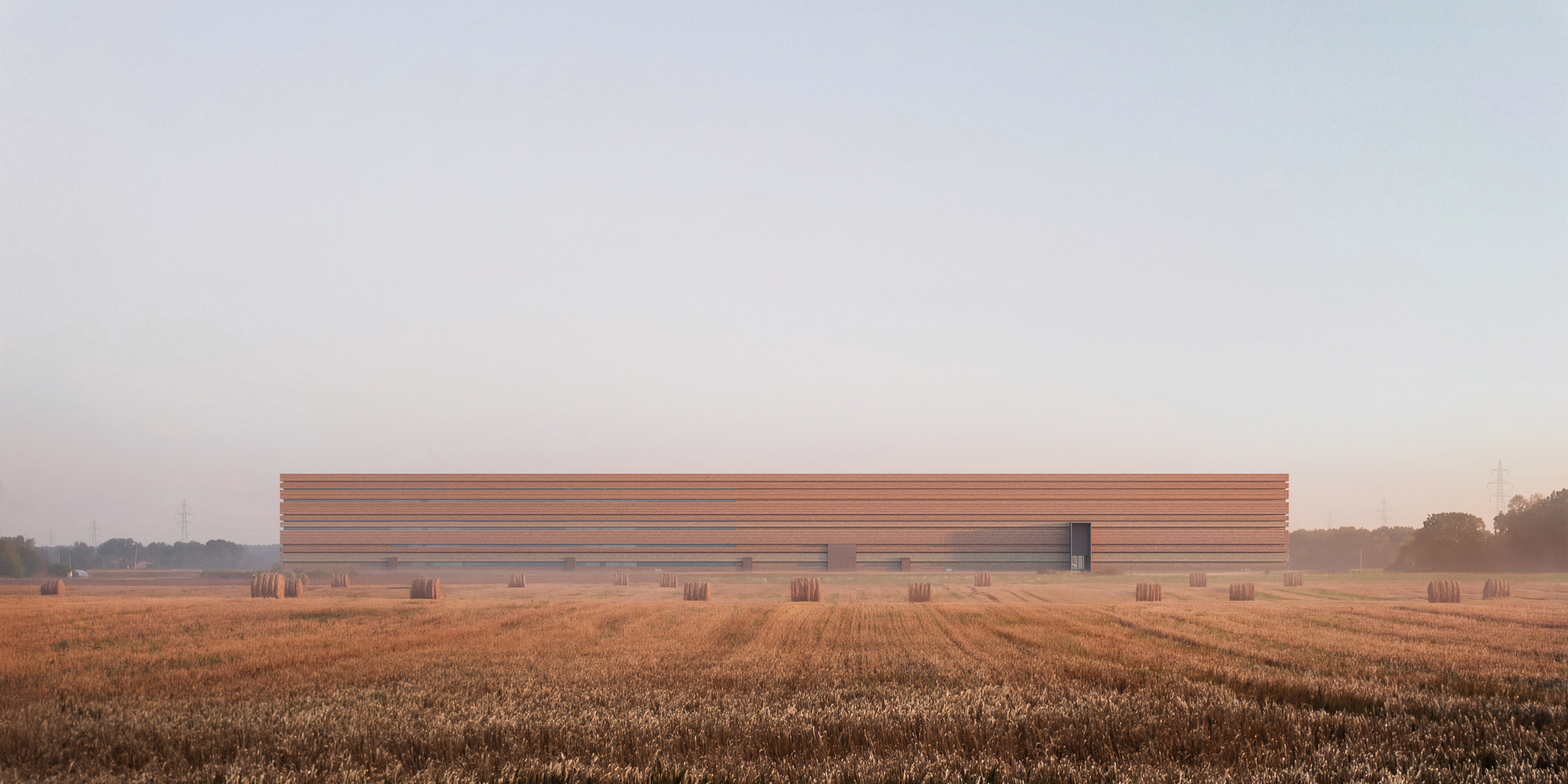
"Sordo Madaleno, in collaboration with építész stúdió and Buro Happold, has been selected to design the 43,000-square-meter New Debrecen Collection Center for the Hungarian Museum of Natural History. Debrecen, Hungary's second-largest city, is currently the focus of significant urban and university-related development, including plans to relocate the Hungarian Museum of Natural History from Budapest to the edge of Debrecen's Great Forest."
"The site is located within the University of Debrecen Science Park, approximately four kilometers from the planned new Natural History Museum building. Informed by research into regional craft traditions and material histories, particularly the longstanding use of clay and earthenware for conservation, the design takes the form of an elongated rectilinear volume measuring 141 by 83 meters. Its stratified brick façade incorporates varying tones that reference Hungary's geological and material diversity, using soils sourced from different regions of the country for brick production."
"The proposed Collection Center is conceived as a facility dedicated to the controlled storage and study of more than 11 million objects, drawing conceptual inspiration from traditional Hungarian clay vessels, structures historically used to protect and preserve. The project would mark the first European cultural commission for the Mexican architecture practice, which operates studios in London and Mexico City. The site is located within the University of Debrecen Science Park, approximately four kilometers from the planned new Natural History Museum building."
A new 43,000-square-meter Collection Center in Debrecen will provide controlled storage and research capacity for more than 11 million objects. The facility sits within the University of Debrecen Science Park about four kilometers from the planned Natural History Museum building. The design adopts an elongated rectilinear form measuring 141 by 83 meters with a stratified brick façade using soils from different Hungarian regions to reference geological diversity. Programmatic organization includes multiple floors and basement storage, dedicated study and conservation spaces, and infrastructure aimed at long-term preservation and production of knowledge. The commission is the firm's first European cultural project.
Read at ArchDaily
Unable to calculate read time
Collection
[
|
...
]