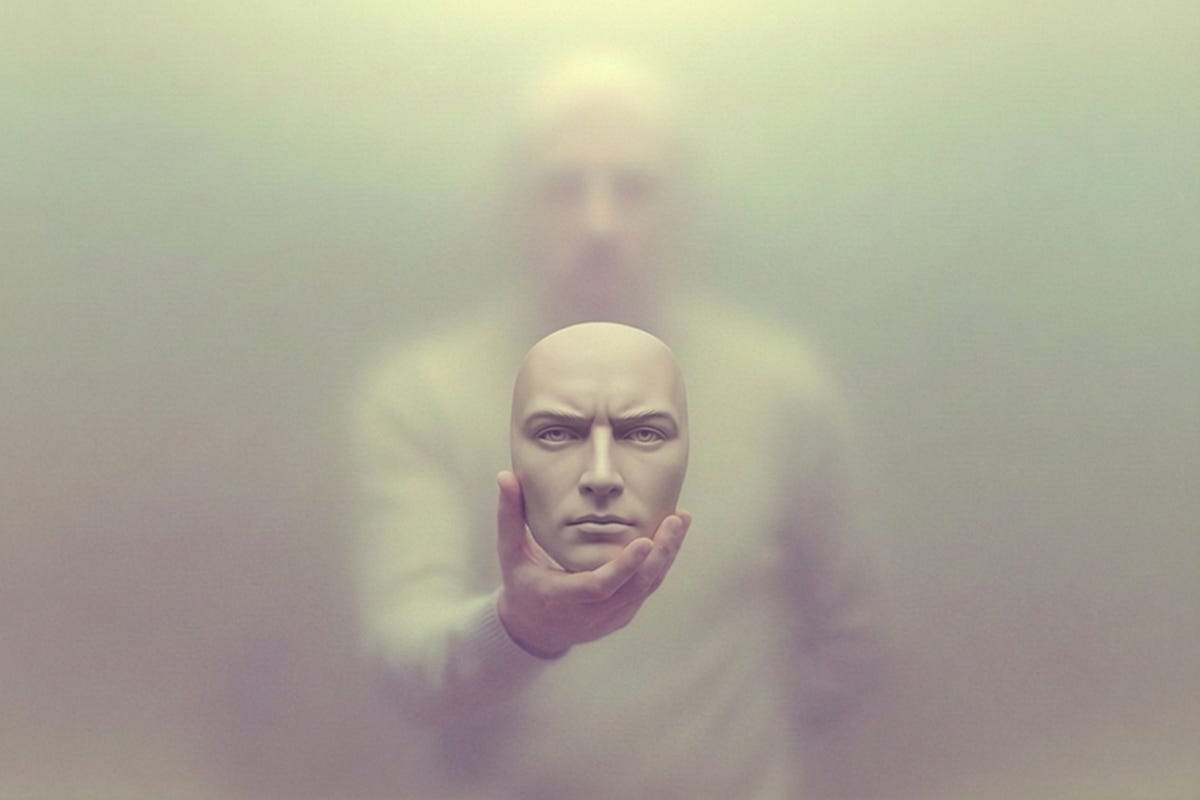
"While testing angles, I thought: When did this become normal? Then I did something even worse. Or more practical. Or both - I can't tell the difference anymore. I used an AI tool to "enhance" the photo. Adjust the lighting. Add a studio background. Give it that more "professional" look. I literally asked an algorithm to tell me what my face should look like. And the most depressing part wasn't doing it. It was that it worked. The photo was "better." More presentable. More performative."
"I learned this from an influencer with millions of followers. He shows it with data: posts featuring his face generate 40% more engagement. More likes, more comments, more shares. Translation: more visibility, more clients, more revenue. Except you don't have time to produce 30 different photos a week. So he uses AI to generate headshots of himself in any context. Very practical. If you don't do it, you're losing reach. If you're not doing it now, your competitors already are. The logic is impeccable."
Designers experience performative self-surveillance both as users and as creators of attention-driven systems. Many professionals invest significant time curating online images, using selfies, lighting, cropping, and AI tools to 'enhance' appearance and signal professionalism. Algorithms and influencer data reward facial visibility with measurable engagement gains—often cited as 40% more engagement—driving practical adoption of AI-generated headshots to maintain reach. Competitive pressures normalize artificial presentation, turning personal branding from a route to freedom into a mechanism that distorts identity and prioritizes performative metrics over authenticity, with psychological and ethical costs for individuals and designers.
Read at Medium
Unable to calculate read time
Collection
[
|
...
]