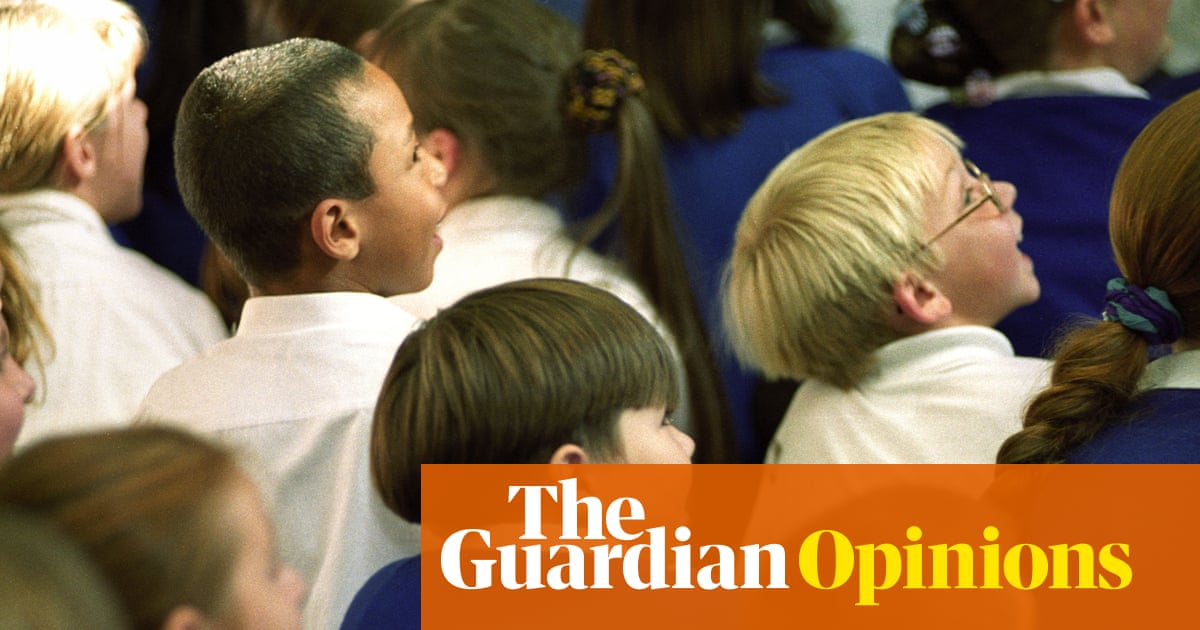
"But as schoolage audiences of Matilda the Musical or the Harry Potter films can testify, UK classrooms usually have more children in them than fictional ones. What these young people probably do not know is that their classrooms are also fuller than many real ones abroad. A report from the Organisation for Economic Co-operation and Development found that the UK has some of the largest primary groups in the industrialised world."
"For academics and policymakers, the situation is less clear cut. Under Tony Blair, Labour reduced class sizes for four- to seven-year-olds in England to a maximum of 30. But the uncertain results of research aimed at testing the effect of class size on attainment has meant that there is no consensus that reducing numbers further would be beneficial. In fact, the shrinking classes resulting from a falling birthrate are mostly seen as a problem with the administrations in the devolved nations facing similar pressures."
An OECD report found UK primary classes among the largest in the industrialised world. Many parents and teachers prefer smaller classes; independent schools' lower pupil-teacher ratios are seen as an advantage. Labour reduced class sizes for four- to seven-year-olds in England to a maximum of 30, but research gives uncertain evidence that further reductions improve attainment. Falling birthrates have produced shrinking classes, creating spare capacity and financial pressure. Reduced per-pupil funding is prompting cuts and closures. England expects to repurpose spare capacity for SEND provision and new nursery classes, with a pledge to create 50,000 specialist places, yet mainstream class sizes are unlikely to shrink.
Read at www.theguardian.com
Unable to calculate read time
Collection
[
|
...
]