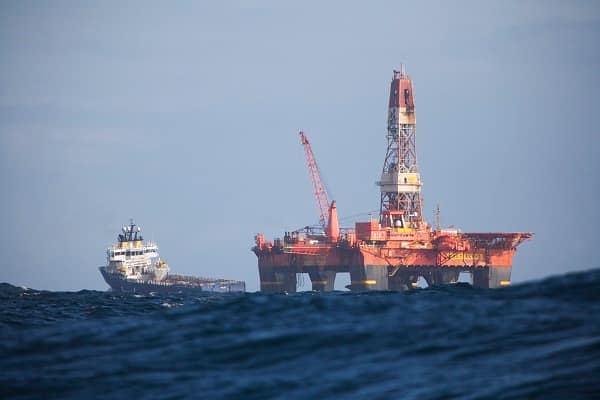
"Even the Climate Change Committee still projects UK demand of 168 million barrels of oil equivalent in 2050, around 40% of current production. Porter argues that forcing premature decline in North Sea production does not cut global emissions - it increases them. Imported oil and gas carries a carbon footprint around 50% higher than domestic production, according to the Climate Change Committee."
"The paper is particularly critical of the windfall tax, which has raised the headline rate on North Sea production to 78%. Rather than punishing the populist targets of Shell and BP, it has devastated independent producers. Harbour Energy paid four times more UK tax in 2022 than Shell despite revenues over sixty times smaller, saw its profits collapse from $101 million to $8 million, and has since cut over 700 UK jobs and shifted investment to Indonesia and Mexico."
"Wood Mackenzie warns 2025 is set to become the first year since 1960 without a single exploration well in the North Sea. The workforce has already fallen from 120,000 to 115,000, with Robert Gordon University forecasting a decline to as low as 57,000 by the early 2030s. 89% of supply chain firms plan to increase non-UK business. In stark contrast, Norway is investing $26 billion in its continental shelf, making major new discoveries under a stable, investment-friendly regime."
UK oil and gas production supports many sectors beyond fuel, providing feedstocks for medicines, fertilisers, electronics and hospital equipment. UK demand is projected at 168 million barrels of oil equivalent in 2050, about 40% of current production. Prematurely ending North Sea production risks increasing global emissions because imported oil and gas can have around 50% higher carbon footprints than domestic output. High windfall taxation has raised headline rates to 78%, disproportionately harming independent producers, reducing investment, cutting jobs and prompting firms to relocate. Falling exploration, supply-chain retrenchment and foreign competition threaten long-term energy security.
Read at London Business News | Londonlovesbusiness.com
Unable to calculate read time
Collection
[
|
...
]