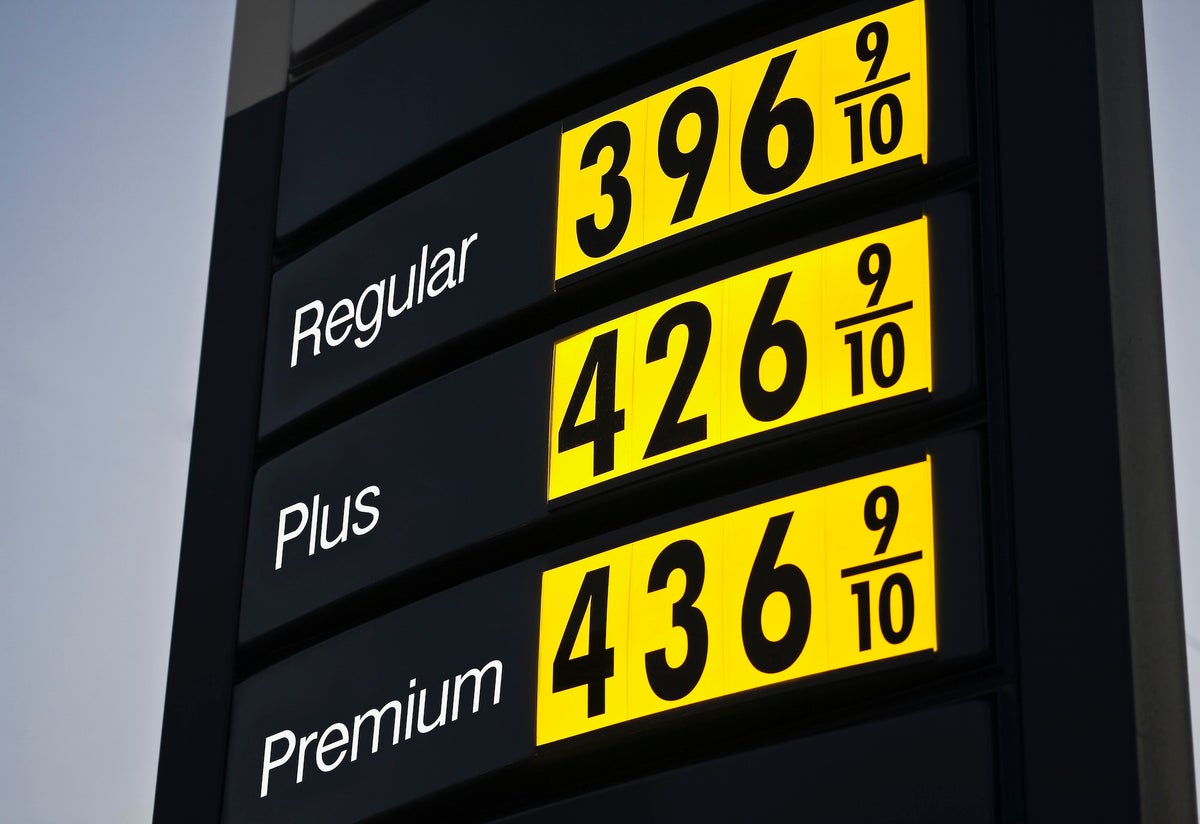
"The closure of the Strait of Hormuz has trapped one fifth of the world's oil supply in the Persian Gulf, a crisis that the World Bank Group predicts will spike energy prices by 24 percent in 2026, the biggest increase since Russia invaded Ukraine in 2022."
"Despite being a major producer of oil and gas, domestic production won't help curb rising prices at the pump, currently around $4.50 per gallon nationally, any time soon."
"Oil and gas go through repeated boom-bust cycles. Price is one driver of how much domestic producers drill, but it's not the only one: Historically, technology has played an even larger role in how much oil is pulled from the ground."
The closure of the Strait of Hormuz has trapped a significant portion of the world's oil supply, leading to a predicted 24 percent increase in energy prices by 2026. Despite being a major oil producer, the U.S. will not see immediate relief from rising gas prices, currently around $4.50 per gallon. While oil companies are experiencing high profits, historical lessons and technological limitations complicate the response to price spikes. Oil and gas markets are characterized by boom-bust cycles influenced by various factors, including technology and geopolitical events.
Read at www.scientificamerican.com
Unable to calculate read time
Collection
[
|
...
]