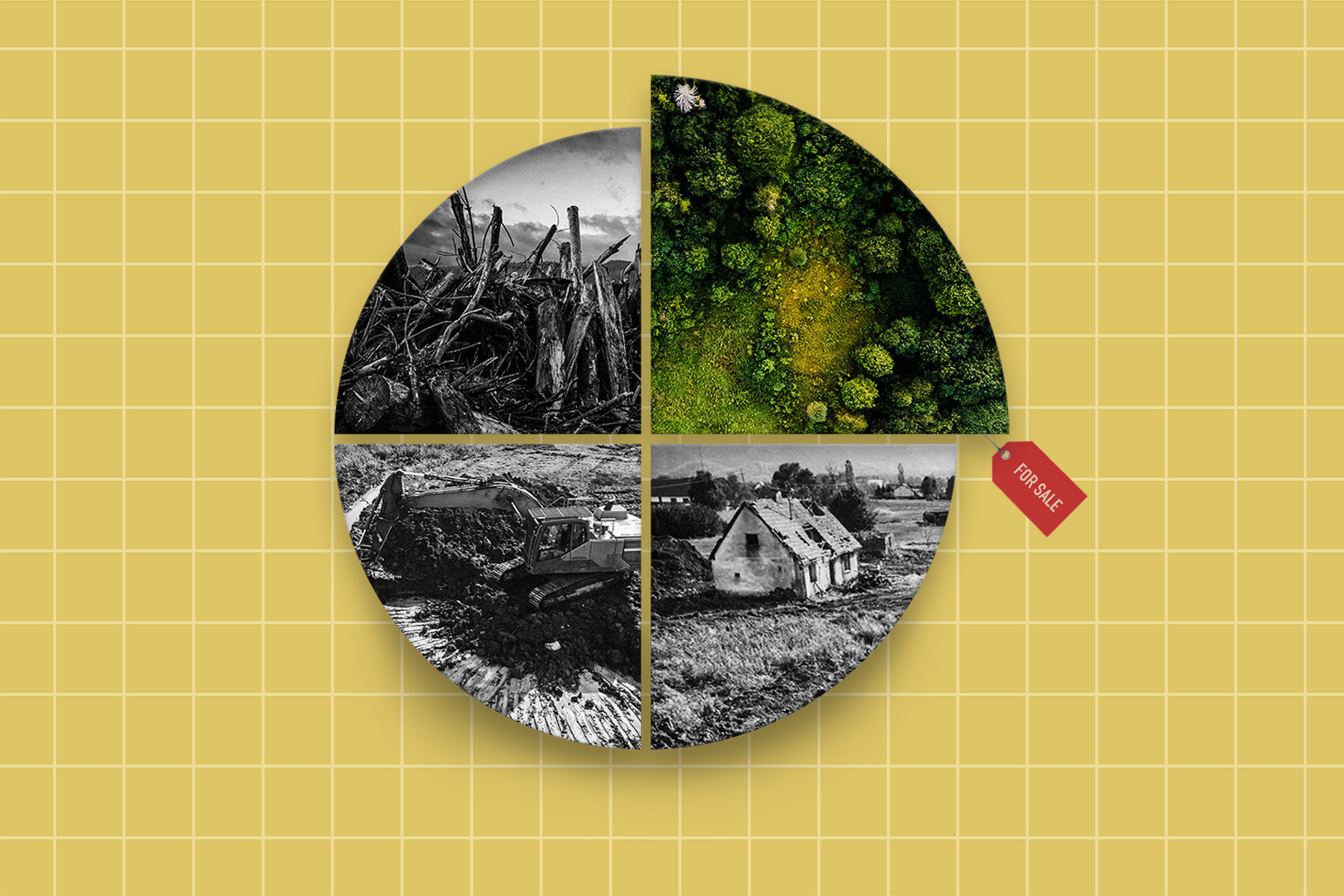
"Rolando Zumba, a gentle fifty-nine-year-old, wept through an Associated Press interview as he described the displacement of his people and their traditional lands to make way for a giant carbon offset project. His own ability to hunt disappeared when rangers in Peru's Cordillera Azul National Park-a spectacular 13,500-kilometre sweep of Amazon rainforest, mountains, and waterfalls-confiscated his hunting rifles. The act ended self-sufficiency for his Kichwa tribe on its ancestral land, ensuring poverty and hunger for his people."
"The carbon credit program was set up in 2008 to "offset" the carbon footprint of Shell and TotalEnergies, which purchased blocks of the park, allowing them to claim more than 28 million "credits," meaning they were theoretically offsetting that much CO2. The project brought in so much money, it covered around 90 percent of the operating expenses of the park and was supposed to be used for forest protection and reforestation. But the AP exposé found that not only did the companies exaggerate the credits earned, tree cover loss in the park also dramatically increased due to increased deforestation."
"The market approach to nature is now deeply entrenched in many governments and international institutions, and trading in nature's "assets" is a huge business. Most people around the world know little or nothing about this fast-moving development. But its reach is astounding. The financialization of nature is modelled on the same economic logic that promotes investments that attempt to profit from the fluctuations in the market value of assets."
"Nature-based finance zeroes in on climate change and other environmental crises. Every firestorm, hurricane, and flood presents an opportunity for experts in risk forecasting to advise on the cleanup and recovery technologies that will be needed. And governments giv"
A carbon offset project in Peru’s Cordillera Azul National Park displaced Kichwa people from traditional lands and ended hunting-based self-sufficiency when rangers confiscated hunting rifles. The project was created to offset emissions for Shell and TotalEnergies, which purchased blocks of the park and claimed more than 28 million carbon credits. Revenue from the program covered about 90 percent of the park’s operating expenses and was intended for forest protection and reforestation. Findings reported that credit calculations were exaggerated and that tree cover loss increased due to higher deforestation. Nature-based finance is expanding through governments and international institutions, treating ecosystems as tradable assets and using climate disasters as opportunities for risk forecasting and recovery technologies.
Read at The Walrus
Unable to calculate read time
Collection
[
|
...
]