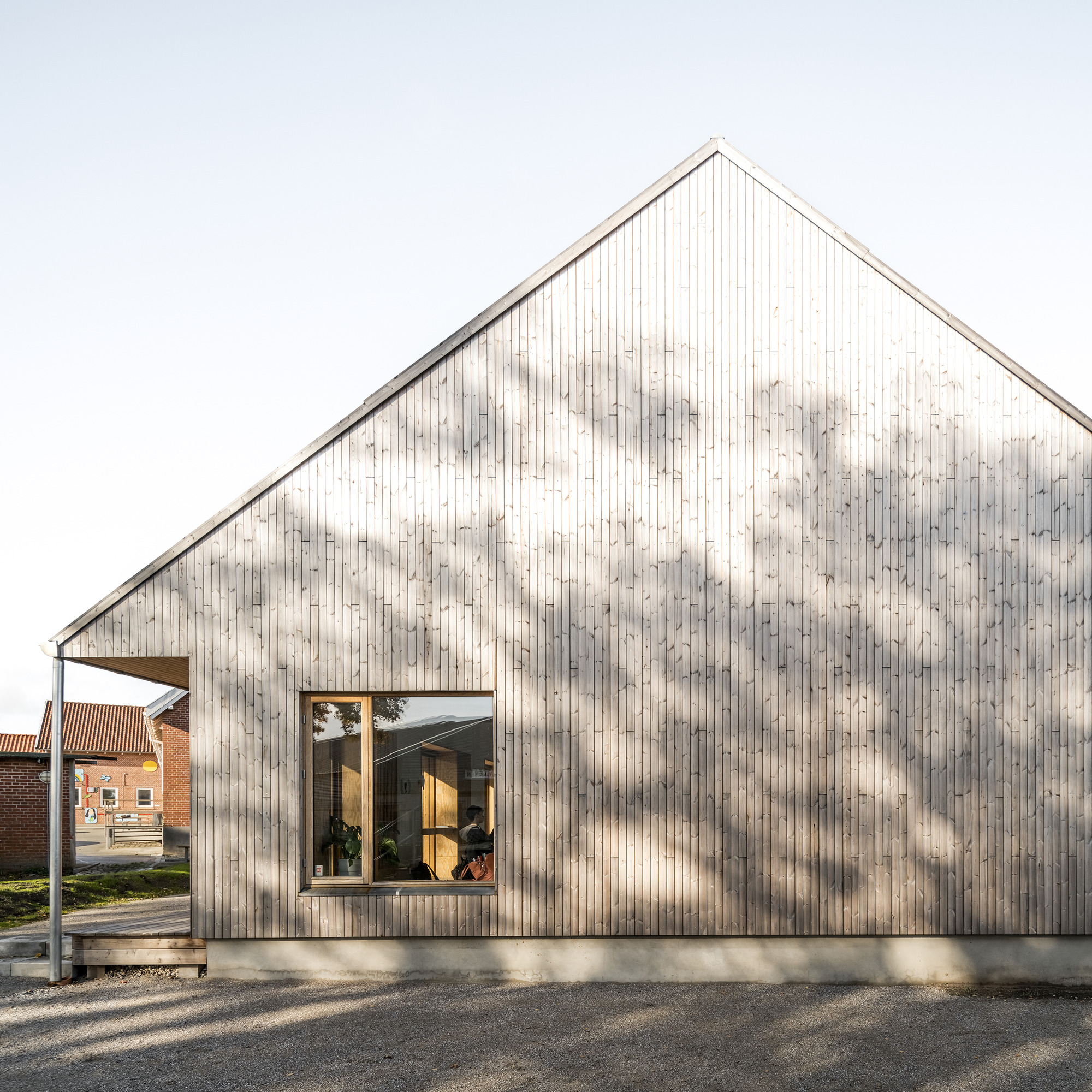
"As the building industry continues to account for a significant share of global carbon emissions, digital platforms are increasingly being developed to support carbon reduction across different stages of the design and construction process. These initiatives range from material-focused knowledge databases to project life-cycle guidance and early-stage embodied carbon assessment tools. While differing in scope and methodology, they commonly aim to improve access to technical knowledge, clarify responsibilities across the value chain, and facilitate more informed decision-making in the built environment."
"The platform operates as a crowd-sourced and peer-reviewed database of architectural detail drawings, addressing a growing interest in bio-based materials such as timber, hemp, clay, reed, and mycelium, which are increasingly explored as lower-carbon alternatives to conventional construction systems. While these materials have gained visibility in research and pilot projects, technical detailing guidance has remained fragmented. OpenDetail seeks to consolidate and make accessible buildable construction assemblies in an open format, allowing users to both contribute and download material details."
Digital platforms target carbon reduction across design and construction stages through material knowledge databases, life-cycle guidance, and embodied carbon assessment tools. These platforms seek to improve access to technical knowledge, clarify responsibilities across the value chain, and enable more informed decision-making in the built environment. OpenDetail was developed in 2023–2024 by Henning Larsen with EK - Business Academy Copenhagen and CHEVRANT, with contributions from Ramboll Foundation and Speckle, as a crowd-sourced, peer-reviewed database of architectural detail drawings. The platform consolidates buildable assemblies for bio-based materials and connects academic research with professional practice in an open format.
Read at ArchDaily
Unable to calculate read time
Collection
[
|
...
]