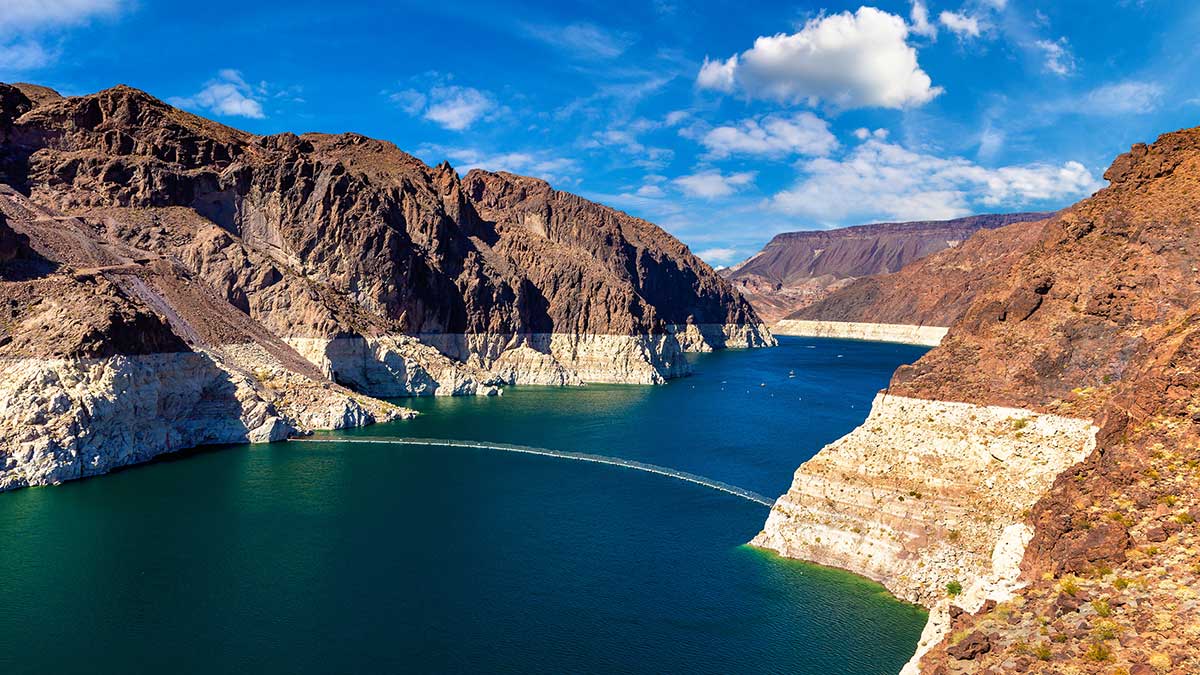
"Just over half the country is officially in drought, and about 155.7 million Americans—almost seven million more than last week—are now affected. The U.S. Drought Monitor's April 23 report shows that 52.46% of the United States and Puerto Rico, and 62.78% of the Lower 48, are experiencing moderate drought or worse. According to NOAA, this is the worst spring drought on record for the continental United States."
"This drought is not limited to one region. The Southeast just had its driest September-through-March since records began in 1895. The Colorado River system is only 36% full. Texas is 77% in drought, and Corpus Christi's reservoirs have dropped to nearly 9%. Nebraska experienced its largest wildfire ever, fueled by dry grasslands. Oregon's snowpack reached zero on April 1. In California, Tahoe City Cross melted completely by March 8, 40 days earlier than usual, after a record-breaking March heat wave caused rapid melting of an already low snowpack across most of the West."
"The common factor is that from January through March, precipitation was below 70% of average across the lower 48 states, setting a new record. As a result, water restrictions are now broader and, in many places, more severe than usual."
"Two main climate factors have caused this record drought. First, La Niña led to less rainfall from January to March, with totals below 70% of average—the lowest since records began in 1895, just surpassing the previous low in 1910. Second, spring temperatures in the Central Plains,"
Just over half the country is officially in drought, affecting 155.7 million Americans. The U.S. Drought Monitor reports 52.46% of the United States and Puerto Rico and 62.78% of the Lower 48 experiencing moderate drought or worse. NOAA reports the worst spring drought on record for the continental United States. Drought impacts extend across regions, including the Southeast’s driest September-through-March period, the Colorado River system at 36% capacity, Texas at 77% drought coverage, and near-empty reservoirs in Corpus Christi. Nebraska saw its largest wildfire, Oregon’s snowpack reached zero, and California’s Tahoe City Cross melted early due to record March heat. Precipitation from January through March was below 70% of average across the Lower 48, prompting broader and more severe water restrictions. La Niña reduced rainfall, and spring temperatures in the Central Plains contributed to worsening conditions.
Read at Earth911
Unable to calculate read time
Collection
[
|
...
]