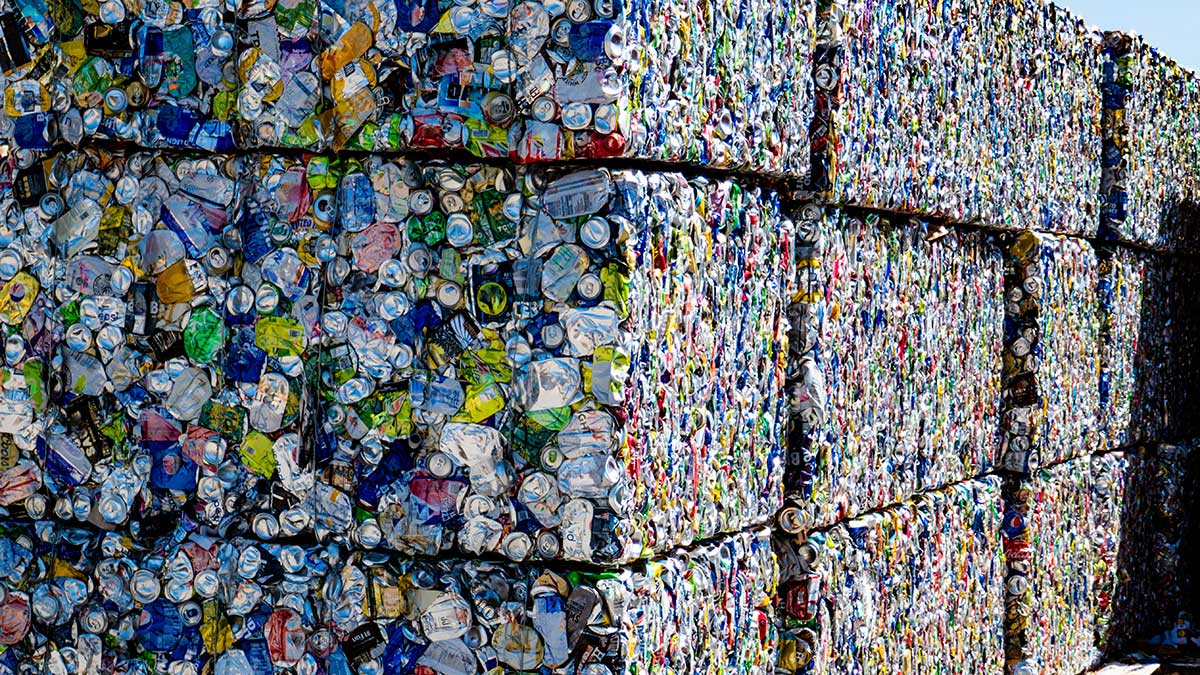
"A used aluminum can is worth more, pound for pound, than almost anything else you put at the curb. In late 2024, a ton of crushed and baled cans was selling for around $1,338. Glass, by comparison, sells for roughly, well, nothing. Mixed plastics often cost the recycler money to handle. A single bale of cans, about the size of a small refrigerator, can be worth $40,000 in scrap."
"That makes aluminum the quiet engine of curbside recycling. And right now, fewer Americans are putting cans in their bins than at any time since the early 1990s. According to a 2024 report from the Aluminum Association and Can Manufacturers Institute, the U.S. consumer aluminum-can recycling rate fell to 43 percent in 2023, well below the 30-year average of about 52 percent."
"Your bin doesn't go straight to a recycling factory. It goes to a sorting facility called a MRF, pronounced 'murf,' short for material recovery facility. A MRF is essentially a giant conveyor belt with magnets, screens, optical scanners, and people, all pulling the stream into separate piles: cardboard here, paper there, plastics by type, glass, metal."
"A used can returned to a mill is back on a shelf, full of soda or seltzer, in as little as 60 days, using about 95 percent less energy than making aluminum from raw ore."
Aluminum cans represent the most economically valuable material in curbside recycling, worth approximately $1,338 per ton in late 2024, compared to nearly worthless glass and money-losing mixed plastics. A single bale of aluminum cans can be worth $40,000 in scrap value, making it the primary reason recycling trucks are economically viable. Recyclables are sorted at material recovery facilities (MRFs) using conveyor belts, magnets, and optical scanners, then sold as compressed bales to processors. While most recyclable materials barely break even financially, aluminum consistently generates profit. However, the U.S. aluminum-can recycling rate fell to 43 percent in 2023, well below the 30-year average of 52 percent, meaning over half of consumed cans end up in landfills instead of being recycled.
#aluminum-recycling-economics #curbside-recycling-decline #material-recovery-facilities #recycling-profitability #environmental-sustainability
Read at Earth911
Unable to calculate read time
Collection
[
|
...
]