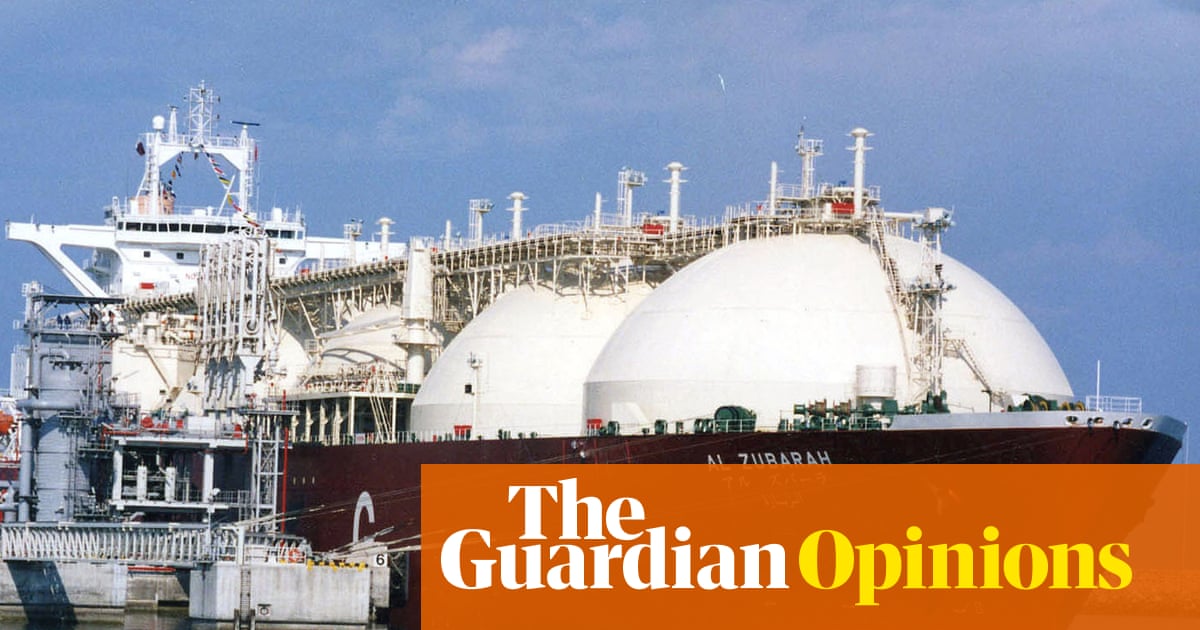
"A gas shock, however, looks a real and present threat. European wholesale gas prices rose 50% as QatarEnergy, the world's largest producer of liquefied natural gas (LNG) halted production after being targeted by Iranian drone strikes. That is 20% of the world's LNG going offline at a stroke, which would be a fundamental change in the market if sustained for a long period."
"And the key point is that Qatari LNG cannot be diverted via pipeline, as Saudi oil can be to a degree; it has to go through the pinchpoint of the strait of Hormuz, where shipping has more or less stopped. A Goldmans Sachs analyst said the price rise for gas in Europe could hit 130% if flows through Hormuz were disrupted for a whole month."
"Europe and Asia are indeed in the eye of the LNG storm because they are the big buyers of the frozen gas. About a quarter of Europe's gas supply came as LNG in 2025; Britain's average has been 21% over the past five years, according to government statistics. Meanwhile, gas storage levels in Europe are low after a cold winter."
While oil price increases from Middle East tensions remain below historical shock levels, a critical gas crisis looms. QatarEnergy, producing 20% of global LNG, halted production after Iranian drone strikes, causing European wholesale gas prices to surge 50%. Unlike Saudi oil, Qatari LNG cannot bypass the Strait of Hormuz through pipelines and must navigate shipping disruptions. A month-long Hormuz blockade could trigger 130% European gas price increases, matching 2022 crisis thresholds. Europe and Asia face acute vulnerability as major LNG importers, with Europe sourcing 25% of gas supply from LNG and storage levels depleted after a cold winter. The US maintains relative energy security as an LNG exporter.
#lng-supply-disruption #middle-east-geopolitics #energy-crisis #strait-of-hormuz #european-gas-prices
Read at www.theguardian.com
Unable to calculate read time
Collection
[
|
...
]