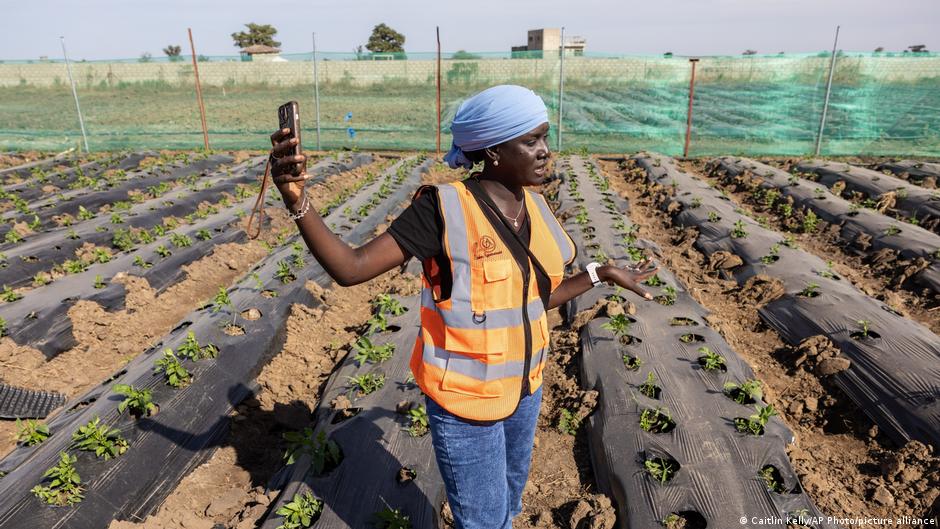
"For more than two months, there have hardly been any merchant ships passing through the Strait of Hormuz amid the ongoing blockade. Africa is being hit by the full brunt of the situation in the Middle East, with canceled flights, long lines at petrol stations, and barren fields across the continent. Left without access to a significant portion of their global supply chain, fertilizer industries have also been deeply affected by the crisis."
"Any resumption of free maritime traffic through this strategically important strait as was the case prior to the US-Israeli strikes on Iran earlier this year is still a long way off; and even then, it would likely take months for markets to stabilize and for production lines and logistics to return to normal. It's understandable that African institutions and governments are currently operating in crisis mode, with no end to the blockade in sight."
"Willy Nyamitwe, Burundi's African Union (AU) ambassador and current chair of the Permanent Committee of Ambassadors, told DW that the AU "is monitoring the situation around the Strait of Hormuz very closely because it affects a number of strategic goods that are essential to African economies." With several African countries already deeply indebted, the prospect of inflation-driven depreciation of national currencies as a result of the Iran war could further exacerbate the situation."
""The situation is critical," said Anja Berretta, director of the Africa Economic Program at the German Konrad Adenauer Foundation in Nairobi, Kenya. "Especially when it comes to fertilizers, we were already facing a similar situation in 2022 when Russia launched its war of aggression against Ukraine; after all, Russia and Belar"
Merchant shipping through the Strait of Hormuz has been largely halted for more than two months due to an ongoing blockade. Africa is experiencing canceled flights, fuel shortages, long lines at petrol stations, and reduced agricultural output. Fertilizer industries are also being hit because access to a major part of the global supply chain is restricted. Even if maritime traffic resumes, markets would likely take months to stabilize and production and logistics would return to normal. African governments and institutions are operating in crisis mode, focusing on preventing famine and national bankruptcies. The African Union is closely monitoring the situation because it affects strategic goods essential to African economies, while concerns remain about inflation and currency depreciation, especially for fertilizer supplies.
#strait-of-hormuz #maritime-shipping-disruption #fuel-shortages #fertilizer-supply-chain #africa-economic-impact
Read at www.dw.com
Unable to calculate read time
Collection
[
|
...
]