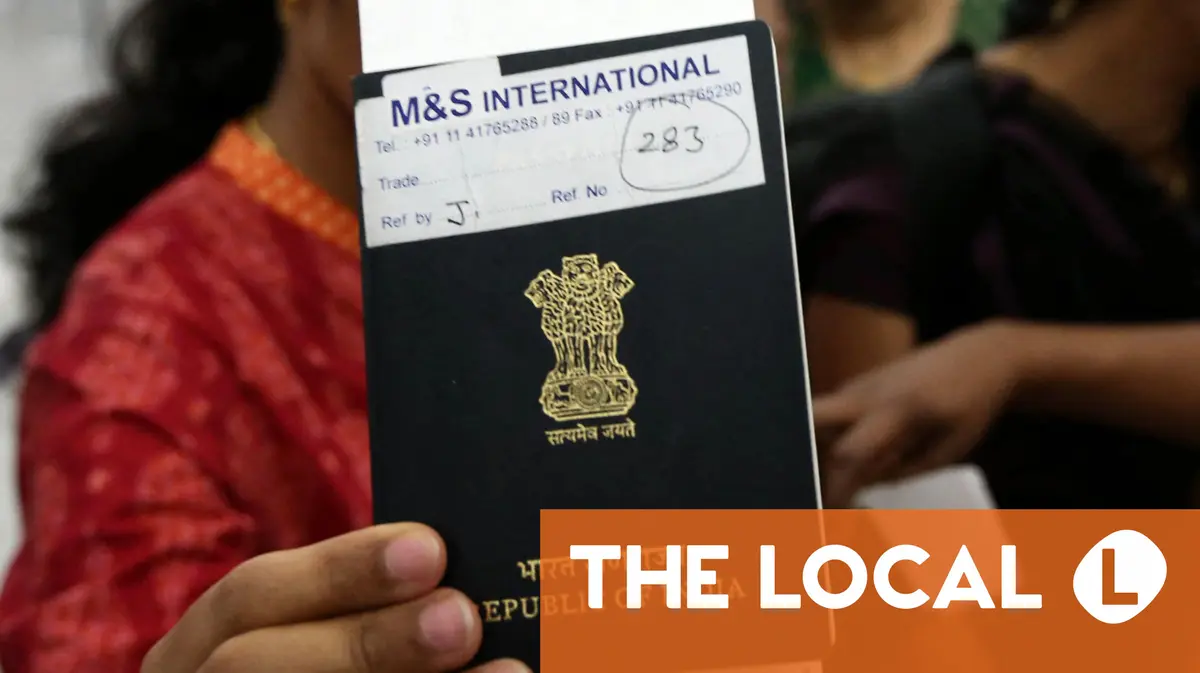
"In 2024, Indian nationals received the largest number of highly-qualified worker and researchers visas, according to the latest figures from Eurostat, the EU's statistics office. Indian citizens were granted the largest number of EU Blue Cards in 2024 (16,300), ahead of citizens of Russia (6,700, a number that declined from 9,500 in 2023), Türkiye (5,600) and China (4,600). Almost 1,900 Blue Cards were issued to US citizens, just over 1,200 to Brits and almost 600 to Canadian nationals."
"As in previous years, Germany issued the largest number of EU Blue Cards, more than half of the total (56,300), although there was a decline from 69,300 in 2023. This trend looks likely to continue as the EU and India have recently adopted a free trade agreement including a 'comprehensive framework of cooperation on mobility' aiming to "facilitate the mobility of skilled workers, young professionals and seasonal works in shortage sectors, while promoting research and innovation"."
In 2024, EU countries issued about 78,100 Blue Cards for highly-qualified non-EU workers. Indian nationals received the largest share (16,300). Russia (6,700), Türkiye (5,600) and China (4,600) followed, with smaller totals for the US (around 1,900), the UK (just over 1,200) and Canada (about 600). Germany issued 56,300 Blue Cards, more than half of the EU total, down from 69,300 in 2023. Blue Cards require a university degree or equivalent, a qualifying job offer and a salary meeting national thresholds. Holders receive work and residence rights and can travel within the EU for up to 90 days in any 180-day period. An EU–India agreement includes a mobility framework to facilitate skilled mobility.
Read at The Local France
Unable to calculate read time
Collection
[
|
...
]