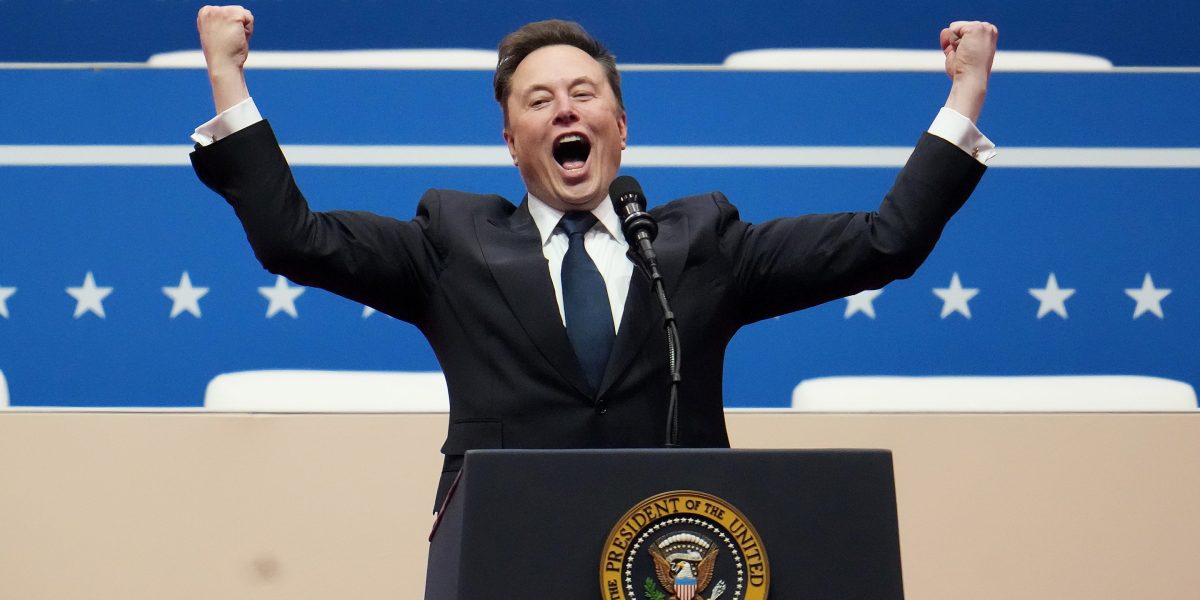
"If you give me $1, I'm going to spend it the way that you want it spent. But there's all this stuff that goes into it—geopolitical stuff, you don't want to create dependencies in communities—like, what is the right avenue, and what are things that are really needed?"
"Unlike a normal transaction—where a donor gets something tangible in return, a product, a deliverable, a number they can point to—philanthropy asks you to fund a vision: here's the problem, here's the solution, here's the hoped-for outcome. And then you have to wait years to see if you were actually right."
Elon Musk acknowledged the difficulty of giving money away effectively, a sentiment validated by Liz Baker, CEO of Greater Good Charities. Baker oversees an organization that has distributed over $1 billion across 121 countries since 2006, earning perfect transparency ratings. She explains that successful philanthropy involves far more than financial transactions—it requires understanding geopolitical contexts, avoiding creating community dependencies, and identifying genuine needs. Unlike commercial transactions with tangible returns, philanthropy demands funding long-term visions and waiting years to assess outcomes. Most donors underestimate the complexity involved in ensuring money creates meaningful, sustainable impact rather than unintended consequences.
Read at Fortune
Unable to calculate read time
Collection
[
|
...
]