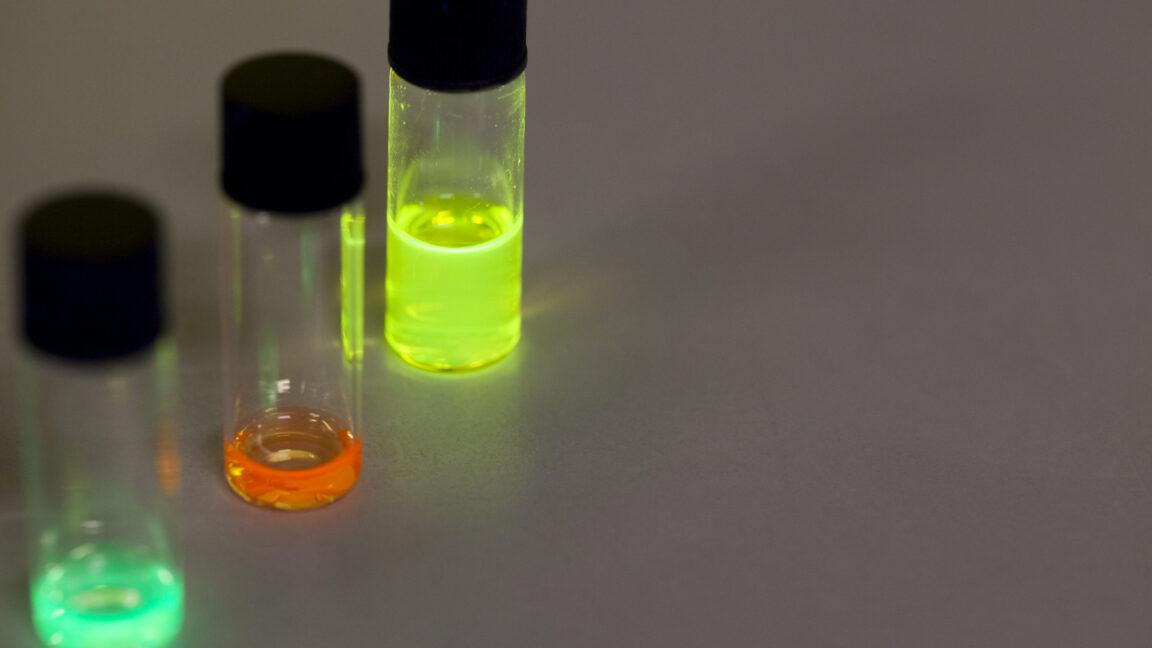
"Some products marketed as 'QLED' use conventional backlight architectures (standard phosphors, optical films, diffuser plates) and rely on picture modes or software tuning to create a more saturated 'vivid' look. Devices have QD material at trace levels, or in packaging and integration designs that limit excitation and light extraction of certain wavelengths."
"In these cases, the display may still achieve competitive headline gamut coverage, yet the measurable optical signature of an effective QD system is absent or minimal. The spectrum, color, volume behavior at high luminance, chromaticity stability, and temporal response can remain similar to those of non-QD LCD solutions."
"A quantum dot display should be defined by a combination of measurable material concentration and TV performance outcomes in terms of color purity, color gamut et cetera. Ideally, in a way that is understandable by consumers. The display must deliver the optical advantages associated with quantum dots, including spectral precision, tunability and stability."
A TÜV Rheinland and Nanosys whitepaper reveals that numerous 'QLED' products marketed to consumers employ standard backlight architectures with conventional phosphors and optical films rather than genuine quantum dot technology. These devices either contain trace amounts of quantum dot material or use packaging designs that limit light extraction. While such displays may achieve competitive color gamut coverage on paper, they lack the measurable optical signatures of effective quantum dot systems. Their spectrum, color volume behavior, chromaticity stability, and temporal response remain similar to non-QD LCD solutions. A German ruling now provides scrutiny of misleading display terminology. Clear definitions of quantum dot displays are essential for emerging technologies like QD-OLED and QDEL displays, requiring standards based on measurable material concentration and performance outcomes understandable to consumers.
#quantum-dot-display-standards #qled-marketing-claims #display-technology-regulation #consumer-transparency #color-performance-metrics
Read at Ars Technica
Unable to calculate read time
Collection
[
|
...
]