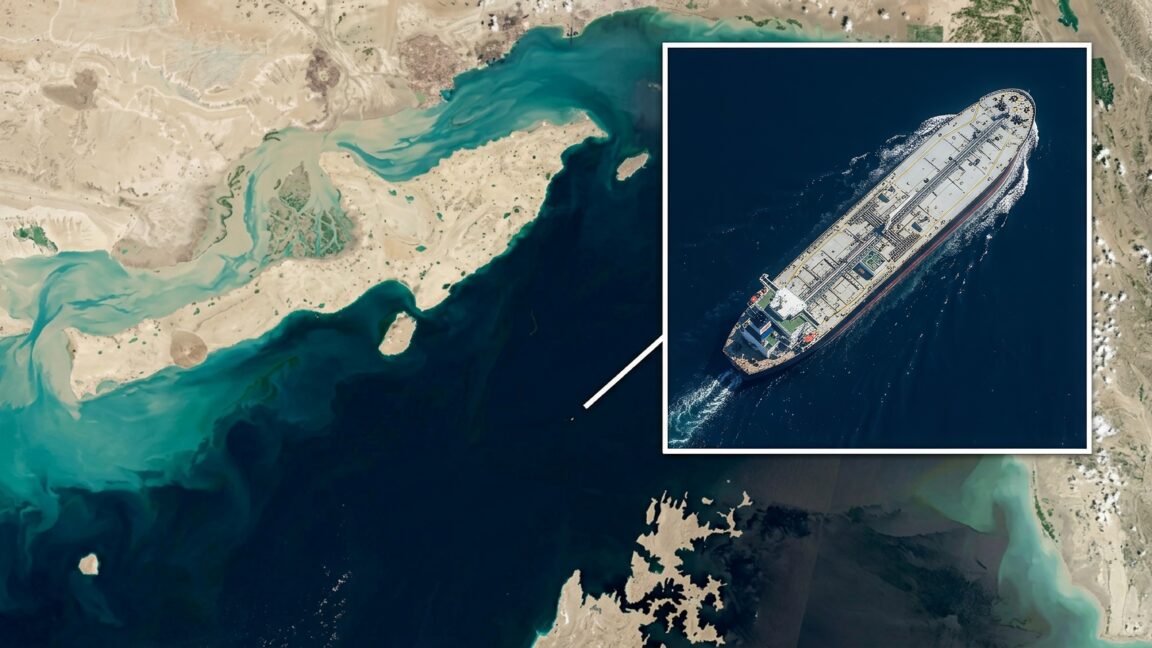
"However, each ship approved for transit tends to carry a greater cost or trade-off as the game progresses over 10 playable days between March 3 and April 13, 2026. You have the choice of not sending any ships through the strait on any given day, but that can quickly lead to dismal endgame results, like "empty shelves" and "desalination collapse" for Gulf States facing food insecurity and a lack of fresh water from energy-starved desalination plants."
"If you manage to muddle through and keep all the factions from spiraling, the endgame results still provide plenty of charts and numbers to remind you that the real-life Strait of Hormuz crisis is far from over. Even squeezing through several dozen ships over 10 days-the best-case shipping scenario in the game-remains a far cry from the pre-war average of 130 ships passing through the strait each day. The inadequacy of that shipping rate continues to have daily real-world consequences."
""The chokepoint is not a story you read once and put down-it returns every week, in fuel prices, in fertilizer shortages, in food security in places far from any tanker," Gornicki said. "I wanted to give people a form of this reporting they could not skim past.""
The game is playable in 15 to 20 minutes and provides explanations and clickable news articles to connect in-game decisions to real-world consequences. Over 10 playable days between March 3 and April 13, 2026, each approved ship transit increases costs or trade-offs as conditions worsen. Players can skip sending ships on a given day, but doing so can lead to empty shelves and desalination collapse in Gulf States due to food insecurity and insufficient fresh water from energy-starved desalination plants. Surviving without faction collapse still shows endgame charts and numbers that compare shipping volumes to pre-war averages, emphasizing that the crisis remains unresolved and continues to affect daily life.
#strait-of-hormuz #maritime-shipping #food-and-water-security #fuel-and-fertilizer-shortages #crisis-simulation
Read at Ars Technica
Unable to calculate read time
Collection
[
|
...
]