"It was my first time in Latin America, and I was not quite ready for a strange sort of culture shock, one that was as much about alienation as it was about recognition. I walked around the city in circles, trying to pound my way into absorbing a place of complex, layered histories. But it was Cartagena's racial legacy that, at points, I found overwhelming."
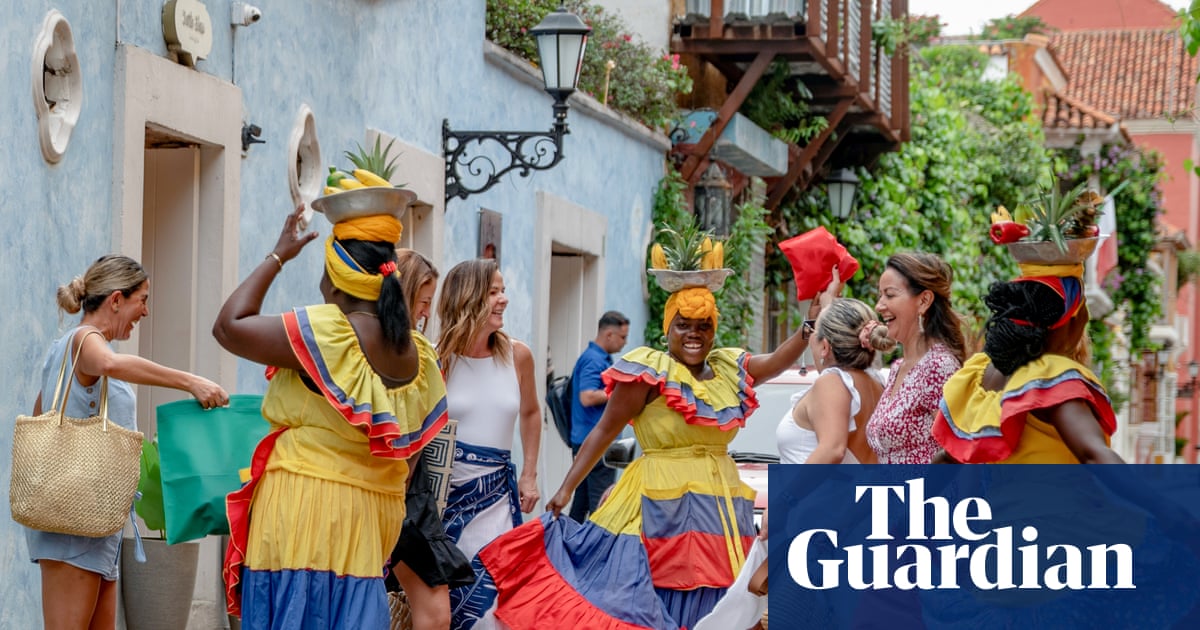
"Black women in the same colourful dresses and head wraps, carrying bowls of fruit and sweets either on their heads or in their hands. They were so perfectly coordinated, always in small groups, that it looked as if they were part of some photoshoot. And it turned out that they, in a manner, were modelling for pictures to be taken. But it was tourists who took those photos, sometimes posing with them, and paying for the privilege."
A visit to Cartagena revealed palenqueras — Black women in colourful dresses and head wraps — selling fruit and sweets and posing for tourist photos in exchange for payment. These women travel from San Basilio de Palenque, a town founded by escaped enslaved people, to make their living in the city. San Basilio retains a distinct language and history tied to centuries of enslavement and resistance. Cartagena's layered histories and visible racial legacy produce a mix of recognition and alienation, confronting visitors with the scale of slavery's impact and the tensions between cultural pride and economic commodification.
Read at www.theguardian.com
Unable to calculate read time
Collection
[
|
...
]