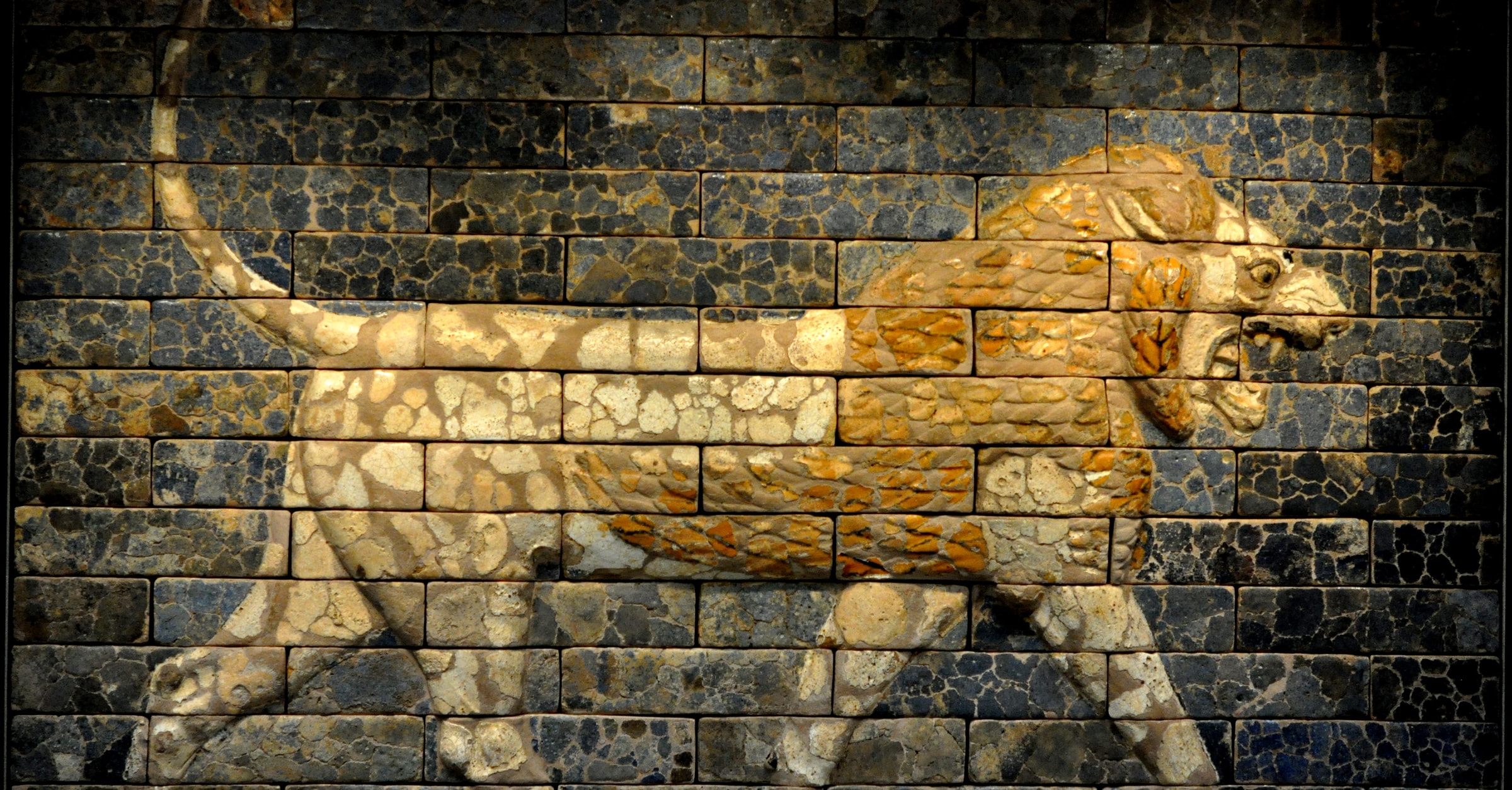
"Ancient Mesopotamian art and architectural works are among the oldest in the world, dating back over 7,000 years. The works first appear in northern Mesopotamia prior to the Ubaid period (circa 6500-4000 BCE) and then developed in the south during the Uruk period (circa 4000-3100 BCE) in Sumer, which established the first historical civilization."
"According to some scholars, the works of the Indus Valley Civilization (circa 7000 to circa 600 BCE) pre-date those of Mesopotamia, but the Indus Valley developments do not appear until the Early Harappan period (circa 5500-2800 BCE), by which time Mesopotamian works were already established. Early artwork and construction are evidenced in northern Mesopotamia at sites such as Göbekli Tepe (circa 10,000 BCE) and Ҫatalhöyük (circa 7500 BCE), both in modern-day Turkey, and Tell Brak (circa 6500-5000 BCE), in Syria."
Ancient Mesopotamian art and architecture originated more than 7,000 years ago, first appearing in northern Mesopotamia before the Ubaid period and later developing in southern Sumer during the Uruk period. Comparable developments in the Indus Valley emerged later, during the Early Harappan period, by which time Mesopotamian works were established. Prehistoric northern sites including Göbekli Tepe, Ҫatalhöyük and Tell Brak show early artwork and construction. Artistic media included reliefs, sculpture, metal statuary, ceramics, jewelry, cylinder seals, stelae, obelisks and wall paintings. Monumental architecture centered on the ziggurat. Sumerian innovations also encompassed the first large palaces and temples, urban planning, the arch, canals, aqueducts, gardens and ornamentation, influencing later civilizations.
Read at World History Encyclopedia
Unable to calculate read time
Collection
[
|
...
]