"A cave painting in northeastern Spain depicting a human harvesting honey dates back 7,500 years to the Neolithic period, according to research published in 2021 in the journal Trabajos de Prehistoria."
"Just last year, a paper in the Journal of the American Chemical Society confirmed that bronze containers discovered in an underground shrine in a sixth-century-BC Greek settlement not far from Pompeii contained a residue of honey."
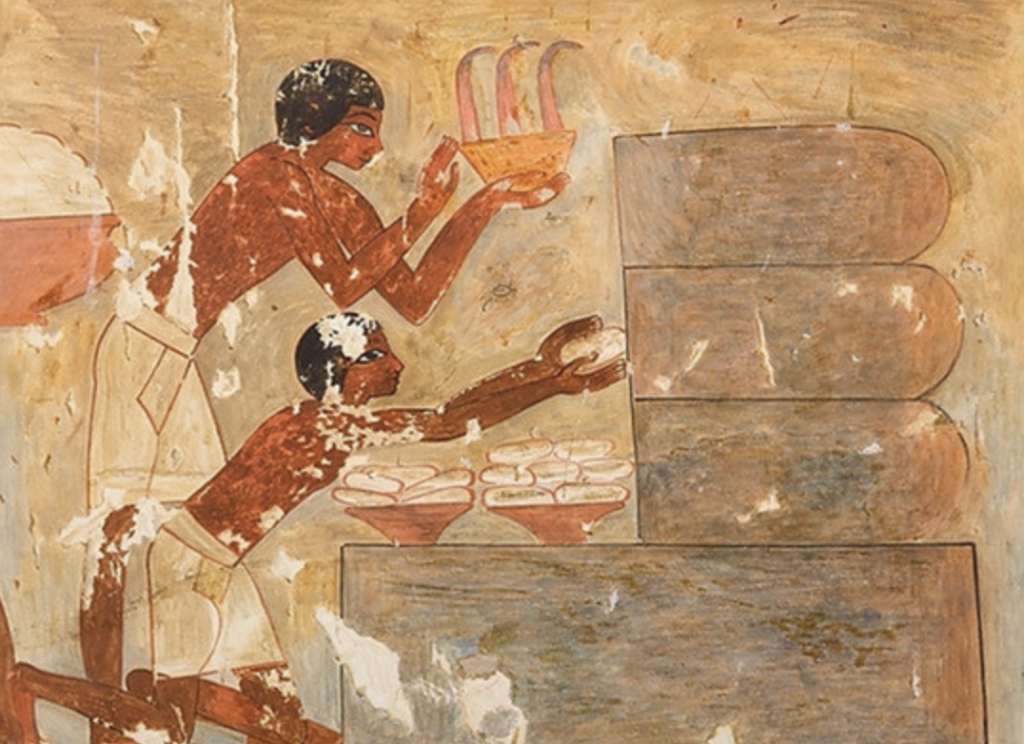
"According to a 2022 paper in the journal Animals, the use of honeybees in the Nile Valley can be traced to the earliest years of the Egyptian kingdom."
"In ancient Egypt, honey was used to improve the taste of their bread and beer, but it was also put to various other uses that underscore its significance."
Bees have been integral to human civilization for over 7,500 years, as evidenced by ancient cave paintings and archaeological findings. Research indicates that honey was harvested in the Neolithic period and used in ancient Greek settlements. Hieroglyphs from Egypt show the significance of bees, with evidence of honeybee use dating back to the earliest Egyptian kingdoms. While modern society often views honey as a sweetener, its historical importance extends beyond culinary uses, highlighting the deep connection between bees and human welfare.
Read at Open Culture
Unable to calculate read time
Collection
[
|
...
]