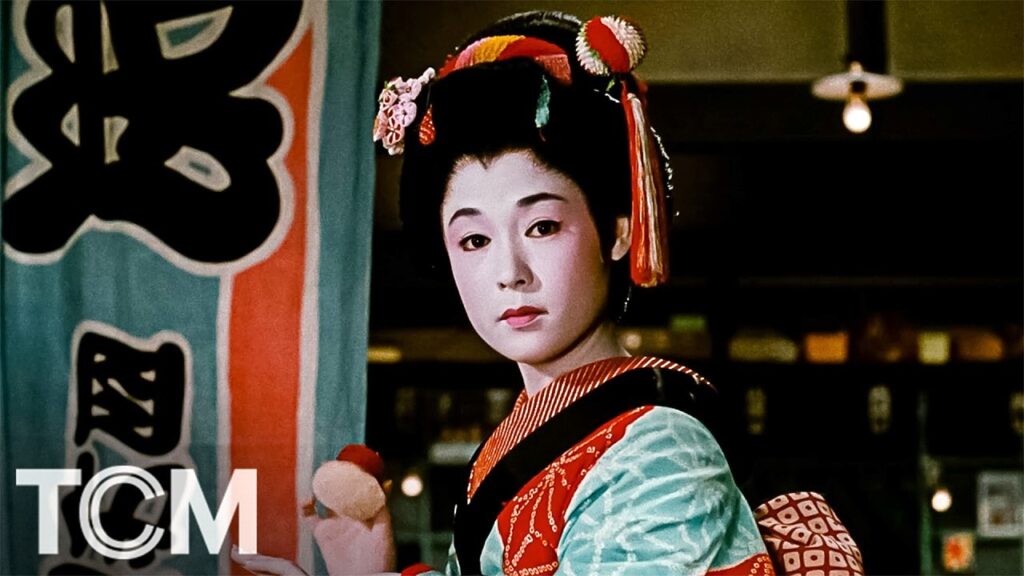
"Though not an especially long life, it spanned Japan's pre- and post-war eras, meaning that in many ways, it ended in a very different country than it began. Not that you'd know it from Ozu's films, whose distinctive form and style must have changed less through the decades than those of any of his colleagues."
"In fact, Ozu persisted through sweeping changes in not just world history, but also the history of cinema. His first 34 films were silent, the next fourteen were sound in black-and-white, and his last six were in color."
"As with most filmmakers, it took Ozu a few years to make color his own: in Equinox Flower, from 1958, 'some of the scenes are so bright that it looks like an MGM musical,' owing to his studio's desire to showcase the actress Fujiko Yamamoto."
Yasujirō Ozu (1903-1963) created films spanning Japan's pre- and post-war periods, yet his distinctive form and style remained remarkably consistent throughout his career. He worked through major technological transitions: his first 34 films were silent, followed by 14 sound black-and-white films, and finally 6 color films. While casual viewers might perceive his works as repetitive, dedicated enthusiasts recognize distinct pleasures in each career phase. Ozu initially struggled with color cinematography in Equinox Flower (1958), where bright hues and prominent visual elements dominated. By Good Morning, he developed a more natural, earth-toned color palette that created better visual balance.
Read at Open Culture
Unable to calculate read time
Collection
[
|
...
]