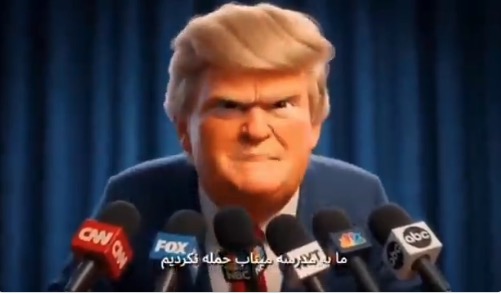
"Krassenstein shared it because he agrees with the message. That's the whole story, and it cuts in every direction. My college friends back in Kansas share Pentagon-produced war footage with the same uncritical enthusiasm—slick edits of military strikes set to cinematic music, packaged to feel patriotic and land like action movie trailers. The politics are opposite. The mechanism is identical."
"The propaganda victory no longer requires convincing anyone of anything. It only requires engagement. For most of modern history, war propaganda operated on a belief model. Governments tried to persuade their own populations that the cause was just and the enemy monstrous. News organizations functioned as informal gatekeepers, deciding which messages were credible enough to pass along."
Modern propaganda succeeds through engagement rather than persuasion, exploiting social media algorithms and user bias. When prominent figures share state-produced content that confirms their political views, they amplify manipulative messaging without critical evaluation. This occurs across ideological lines—anti-Trump voices share Iranian state media while military supporters share Pentagon-produced content. Both mechanisms are identical despite opposite politics. Traditional gatekeeping by news organizations has eroded, allowing propaganda to spread directly through social networks. The distinction between sharing propaganda and reporting on its spread raises ethical questions about coverage and amplification in contemporary media.
#social-media-propaganda #misinformation-amplification #media-ethics #political-polarization #digital-gatekeeping
Read at www.mediaite.com
Unable to calculate read time
Collection
[
|
...
]