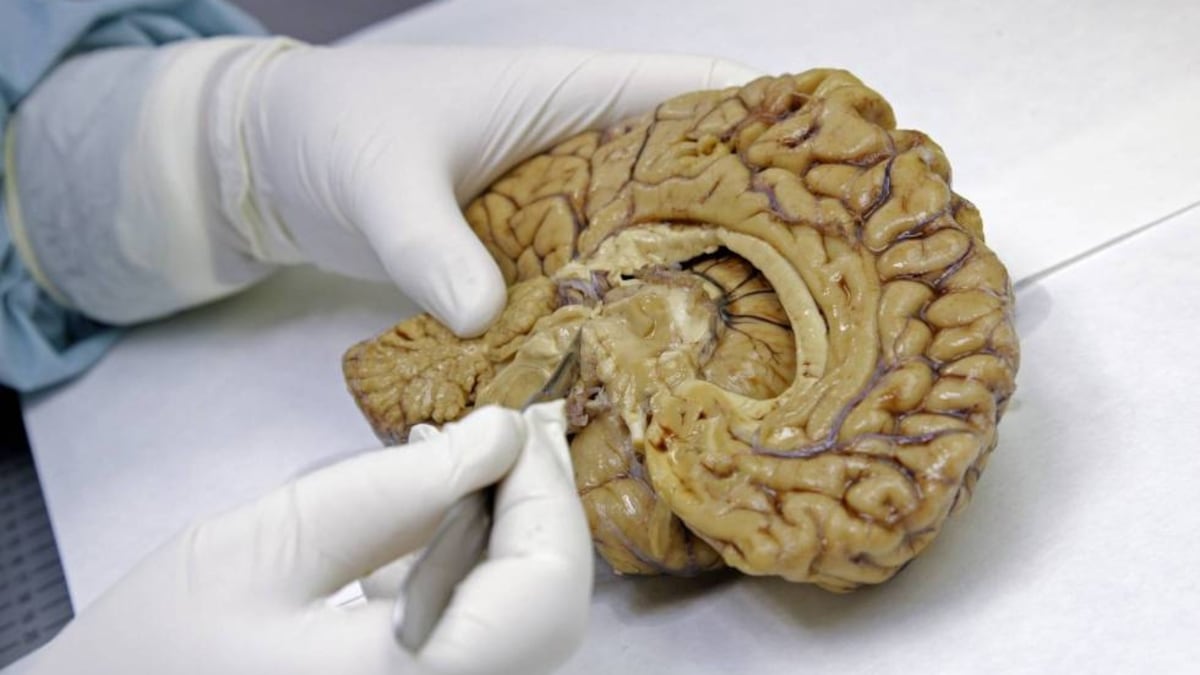
"Two centuries after its discovery, Parkinson's, the second most common neurodegenerative disease, still has neither a cure nor a known cause. The same is true for Alzheimer's, the most common; and together they threaten an unprecedented health crisis because their incidence could double in the coming decades due to the aging population. A study published on Wednesday could shed light on what happens inside the brain of a person with Parkinson's disease and, in the future, help improve the effectiveness of current treatments."
"It was later understood that, for reasons not entirely clear, neurons die in a region of the brain known as the substantia nigra essential for producing dopamine and enabling bodily movement and that this degeneration gives rise to the main symptoms: involuntary tremors, muscle rigidity, as well as depression, anxiety, insomnia, and a greater susceptibility to infections. Genetics accounts for only a portion of cases."
Parkinson's and Alzheimer's lack cures or known singular causes and may double in incidence as populations age, creating a major public-health burden. Neuronal death in the substantia nigra reduces dopamine and produces motor symptoms alongside depression, anxiety, insomnia, and increased infection risk. Genetics explains only some cases; environmental toxins, viral infections, and gut–brain interactions also contribute. A brain network called the somatocognitive action network (SCAN) shows characteristically altered activity in people with Parkinson's. SCAN links basal ganglia and thalamus with cortical regions involved in movement, attention, bodily perception, and action planning. Data from 863 patients informed these observations.
Read at english.elpais.com
Unable to calculate read time
Collection
[
|
...
]