""It is truly a reversal of impairments," says Saul Villeda, PhD, the study's senior author. "It's much more than merely delaying or preventing symptoms.""
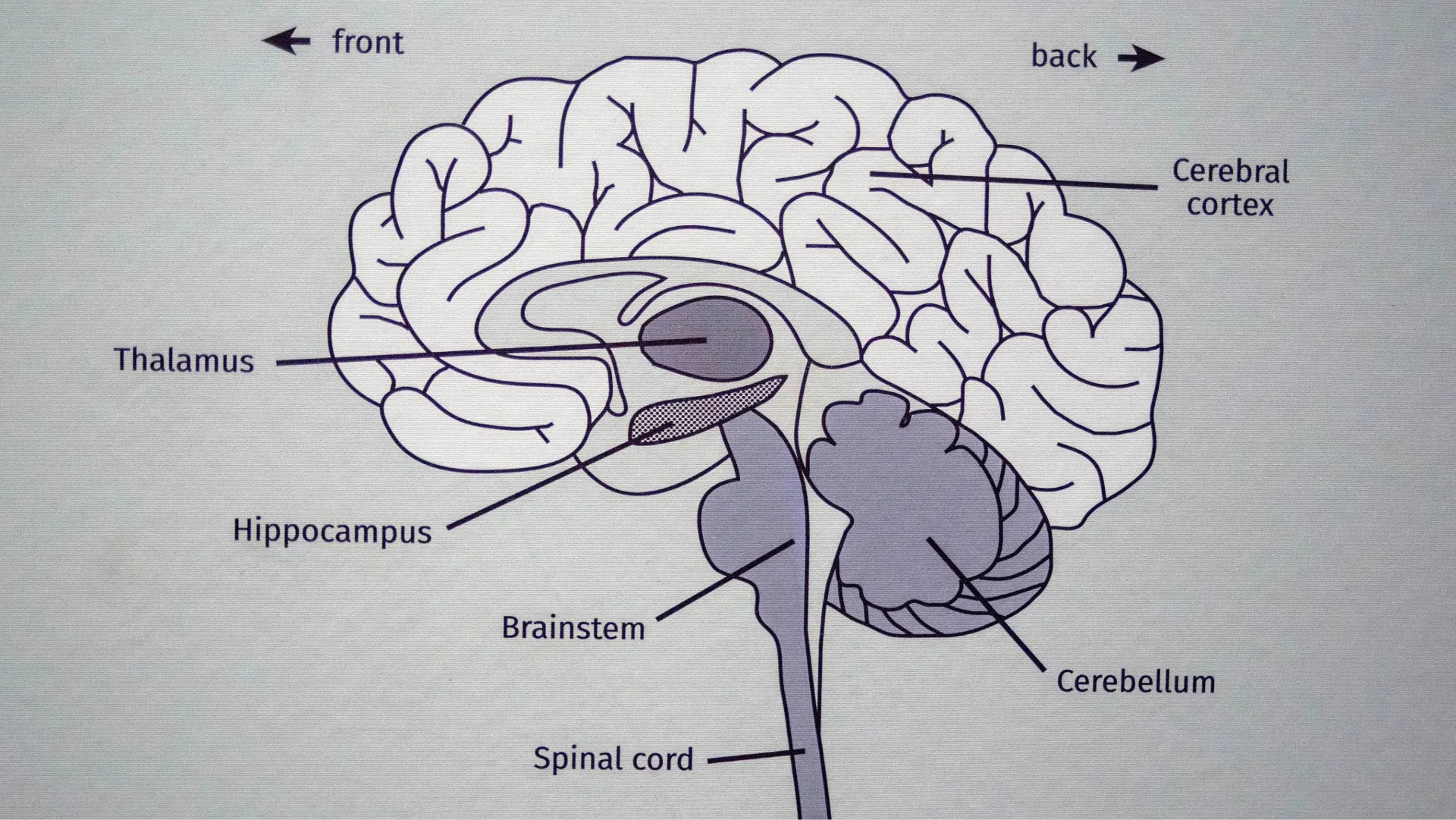
"Lowering the protein levels in older mice didn't just slow or stop the fraying of the older brain. Clearing out the FTL1 clutter helped rebuild lost connections in the hippocampus and literally healed existing damage."
"Researchers learned that high levels of FTL1 act like a metabolic brake, slowing energy production within brain cells. When those cells are no longer able to power themselves, the connections between synapses soon ebb and dry up."
Research from UCSF indicates that the FTL1 protein contributes to cognitive dysfunction in aging brains. Older mice showed elevated FTL1 levels, leading to impaired neuron connectivity. When FTL1 levels were reduced in older mice, not only did cognitive decline slow, but existing damage was reversed, improving memory test scores. The study reveals that FTL1 acts as a metabolic brake, hindering energy production in brain cells, which affects synaptic connections. This research offers hope for future treatments in humans to combat cognitive decline.
Read at Fast Company
Unable to calculate read time
Collection
[
|
...
]