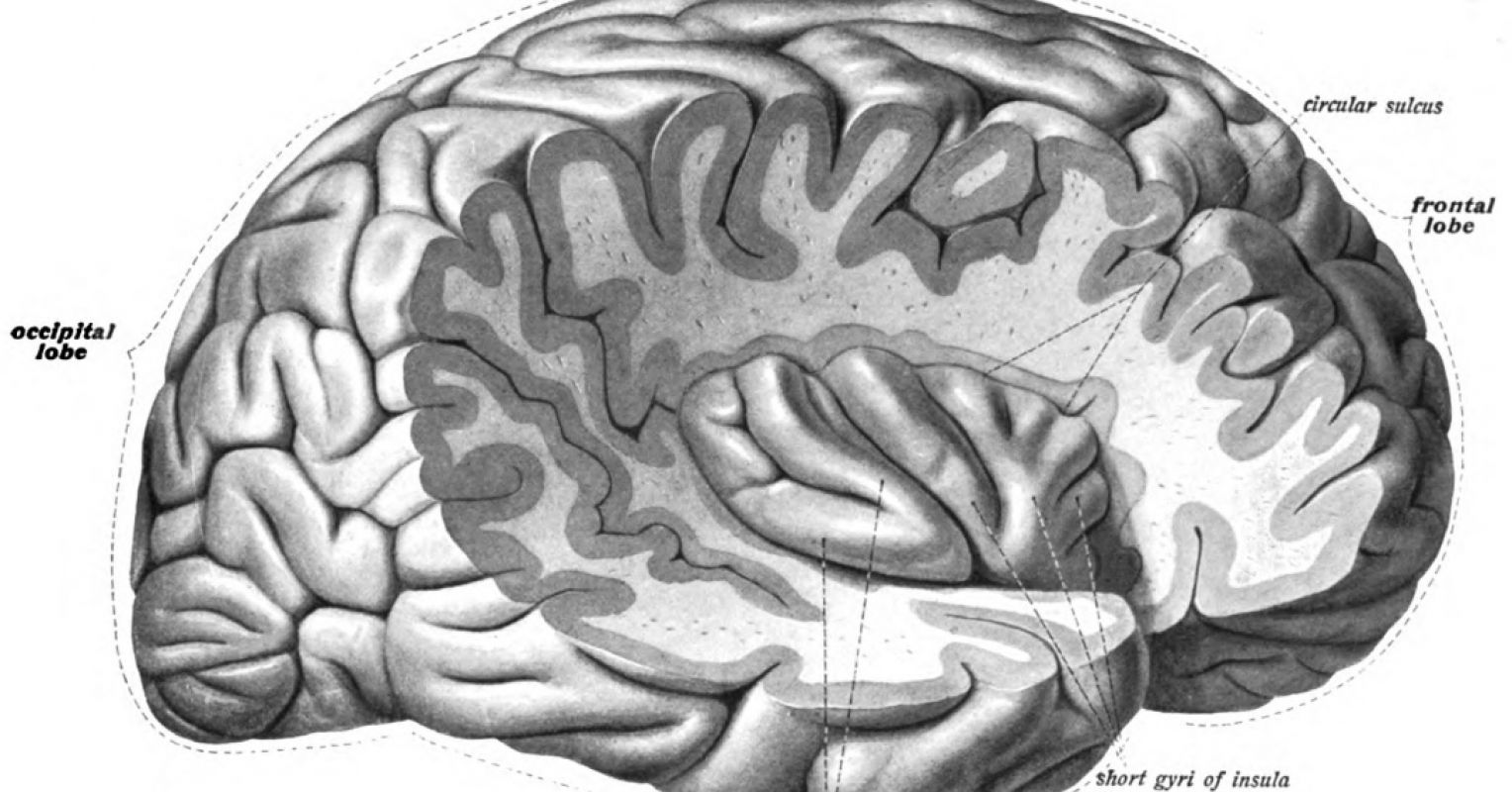
"In the 17th century, Descartes's mind-body split theory established medicine's primary interest in the physical body, which would later extend to its physical diseases. It also shunted aside the mind so that psychological and social issues and mental illnesses would be peripheral in medicine. But the theory had little initial impact on clinical care. Clinicians would continue to be guided by the ancient theory that explained disease as an imbalance of the four humors, which bloodletting could rebalance, until the 20th century."
"Giovanni Battista Morgagni (1682-1771) launched this revolution 1 by conducting 700 autopsies that he correlated with patients' symptoms (obtained from clinical records). 2,3 He recognized that the abnormal appearances of different body organs correlated with different symptoms, for example, cough and chest pain where the autopsy showed fluid and consolidation in a lung, or abdominal pain and vomiting where the autopsy showed growths in the stomach and an enlarged, bloody liver."
Psychiatry often framed mental disorders as brain diseases. Medicine's historic focus on physical organs grew from Cartesian mind-body dualism and shifted clinical attention toward bodily pathology. The ancient four-humors theory persisted until autopsy-based correlations between organ abnormalities and symptoms demonstrated organ-specific disease. Giovanni Battista Morgagni conducted hundreds of autopsies linking organ appearances with clinical symptoms, establishing that abnormal organs represented disease and caused symptoms and death. That success in physical medicine encouraged similar expectations for brain-based disease explanations in psychiatry. Contemporary psychiatric thinking is moving toward seeking new insights into mental illness and away from strict brain-disease models.
Read at Psychology Today
Unable to calculate read time
Collection
[
|
...
]