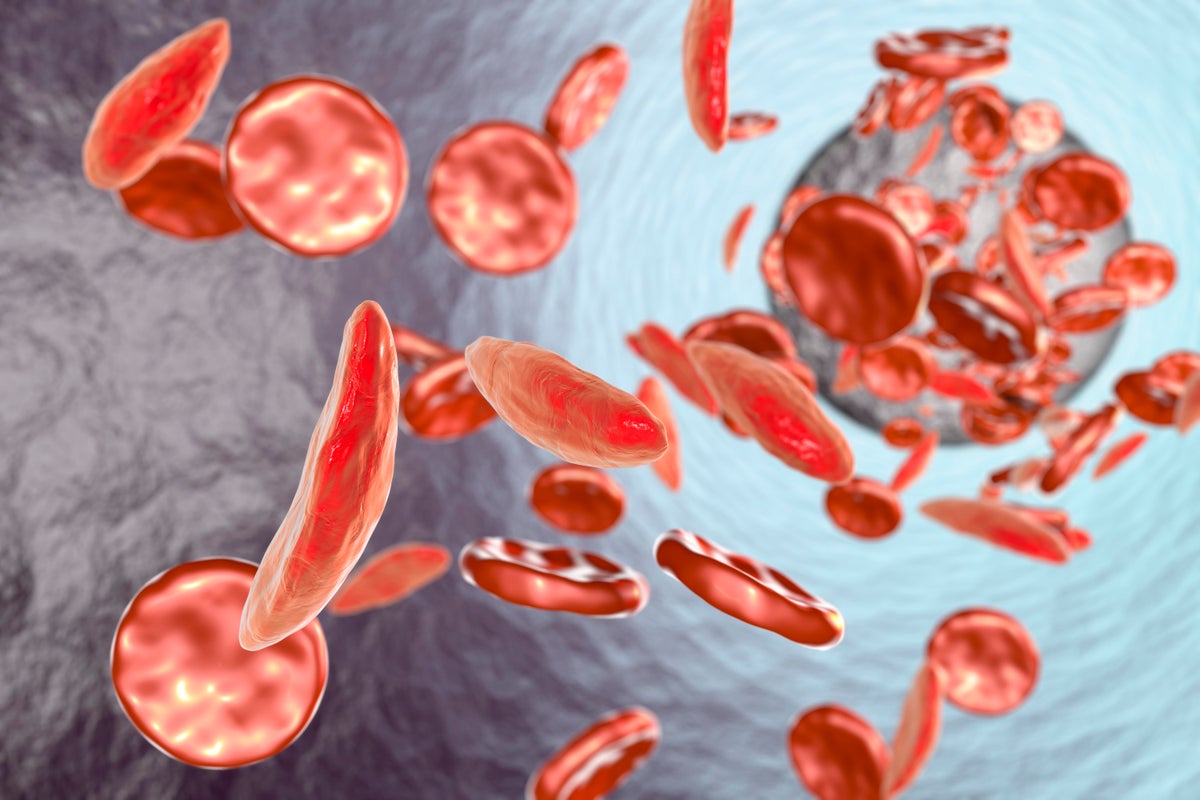
"Gene therapies for sickle cell disease and beta-thalassemia work by deactivating or replacing a hemoglobin gene, allowing the body to produce healthy hemoglobin instead of sickle-shaped red blood cells. This innovative approach has shown enormous promise in clinical trials."
"In clinical trials, individuals treated for sickle cell disease reported a complete resolution of pain, while those with beta-thalassemia no longer needed blood transfusions or bone marrow transplants, indicating a functional cure."
Sickle cell disease is a severe inherited blood disorder affecting red blood cells, primarily in sub-Saharan Africa and India. Recent advancements in gene therapies have emerged as curative treatments. These therapies deactivate or replace a hemoglobin gene, allowing the body to produce healthy hemoglobin instead of sickle-shaped cells. By targeting the BCL11A gene, researchers have enabled patients to produce fetal hemoglobin, leading to significant improvements. Clinical trials indicate that patients with sickle cell disease experienced complete pain resolution, while those with beta-thalassemia no longer required blood transfusions or bone marrow transplants.
Read at www.scientificamerican.com
Unable to calculate read time
Collection
[
|
...
]