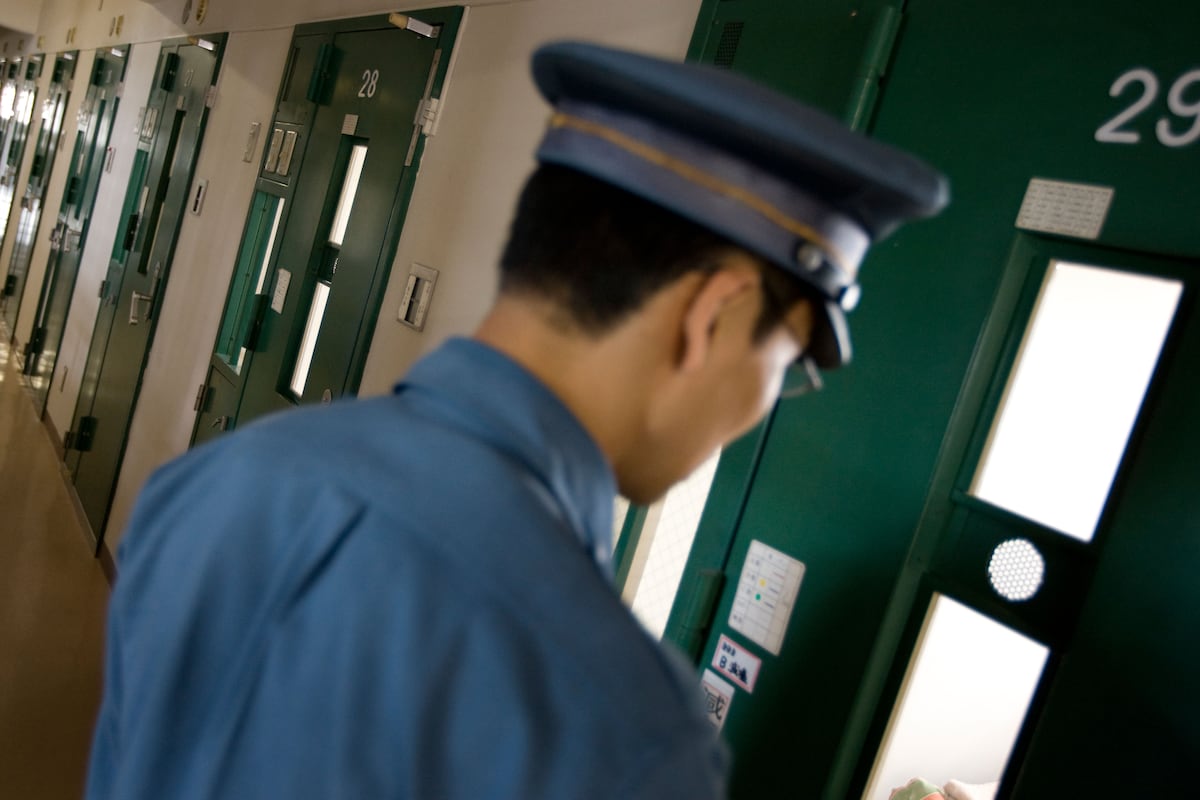
"The rise in the number of elderly people committing minor offenses to secure shelter, food, and medical care in prison has transformed Japan's penitentiaries into facilities increasingly geared towards this age group, where social reintegration takes precedence over punishment. Some experts, however, warn of the high cost of maintaining an elderly prisoner and argue that prisons converted into retirement homes highlight a problem: the existence of increasingly weakened communities that fail to provide adequate support for their elders."
"There are inmates who need walkers to get around, and we've had some who couldn't change their diapers on their own. But our main concern is trying to prevent mental health conditions like dementia from worsening by the time they leave prison, Yasuo Nakabayashi, head of the Correctional Treatment Department at Fukushima Prison, northeast of Tokyo, explained to EL PAIS. Those with serious physical problems are sent to a facility with medical resources. But those with mental health issues are our responsibility."
An increasing number of elderly people in Japan commit minor offenses to obtain shelter, food and medical care in prison, transforming penitentiaries into facilities oriented toward elder needs and social reintegration rather than punishment. Experts warn about the high cost of maintaining elderly inmates and identify weakened communities that fail to support their elders. Many incarcerated seniors require mobility aids or personal care and face mental health challenges such as dementia that prisons try to prevent from worsening. Some inmates with serious physical conditions are transferred to medical facilities. National prison statistics show 13.5% of inmates were over 65 in 2024.
Read at english.elpais.com
Unable to calculate read time
Collection
[
|
...
]