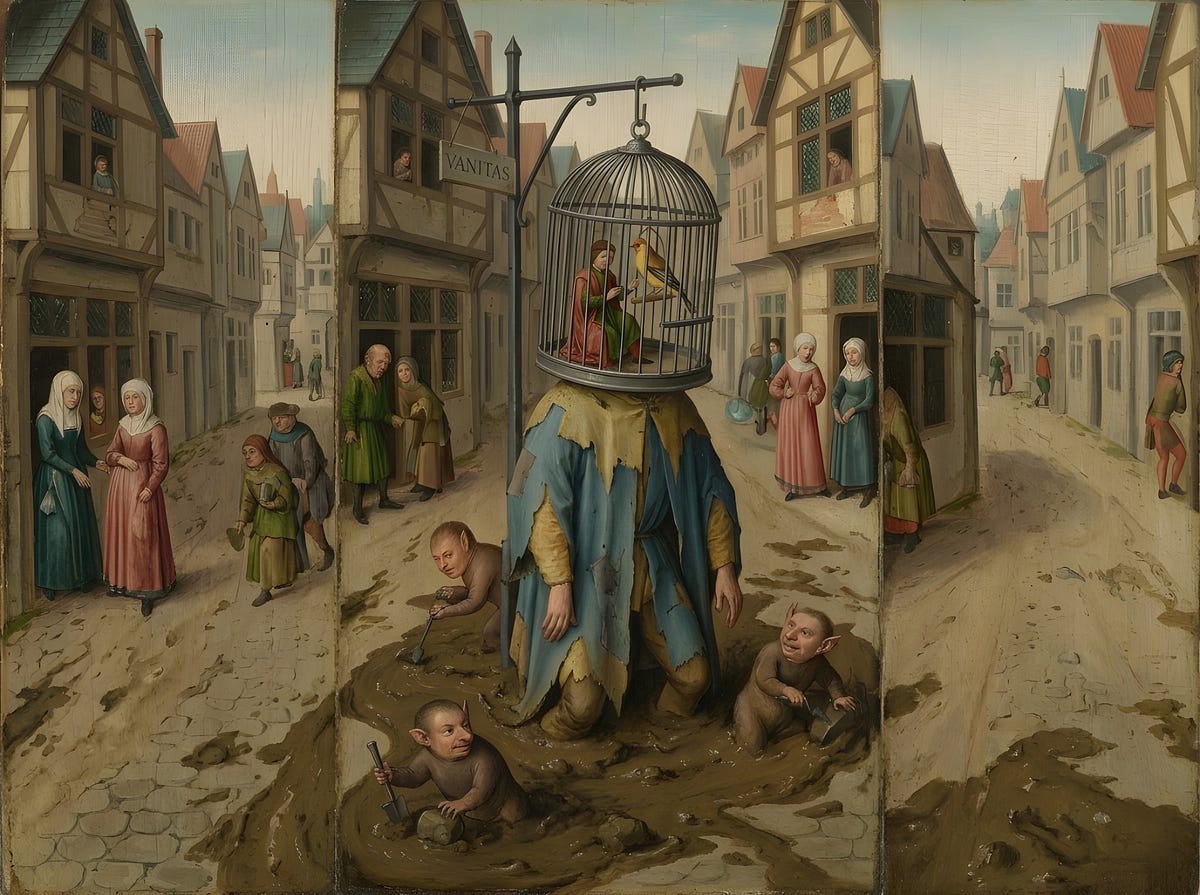
"The smarter your users, the more convincing their wrong answers. Not because he was stupid. He was one of the sharpest people I'd spoken to that month. He was wrong because he'd been asked the wrong question, and his instinct, trained by a lifetime of being the person who brings the answer, was to give me one."
"A user says they want ice cream. While they say they want ice cream, what they need is to cool down. Their body wants sugar. It's hot. There's a memory somewhere in there, a summer ritual, something cold in their hand. The want closes off options. The need opens them."
"Take 'I want ice cream' at face value and you sell them ice cream. Understand the need and you can sell them a popsicle, a cold drink, air conditioning, a swim in the sea. The want is one of many solutions to the need. The need is the territory."
Smart, experienced users tend to provide detailed, confident solutions when asked about product direction, but these answers are frequently wrong because they're responding to the wrong question. Their expertise and habit of being the authority figure drives them to offer answers rather than explore underlying problems. The distinction between wants and needs is critical in user research. Users articulate wants—specific solutions they think they need—but their actual needs are broader and often reveal multiple solution paths. Most research stops at capturing wants, missing the deeper territory of user needs. Understanding needs opens product possibilities beyond the single solution users propose, enabling teams to discover alternatives that better serve the underlying problem.
Read at Medium
Unable to calculate read time
Collection
[
|
...
]