"I believe that the creativity, you know, the uniqueness of the perspectives that I had, you know, it allowed me to identify unique opportunities in subjects that no one was thinking about in that way."
"There's a lot of permeability in what I do, you know, for my day job, but also how I like to spend my time on the back end as like a creative pursuit."
"So I feel like because of my understanding of the science and the microbiology, I was really drawn to the creative side of how to apply these approaches, microbes, techniques."
"I have early memories of sitting and watching Food Network with a metal bowl in my lap full of egg whites and a whisk in my hand and attempting to make, you know, stiff peak meringue for the fun of it, but to also understand how proteins capture air in order to create volume and texture."
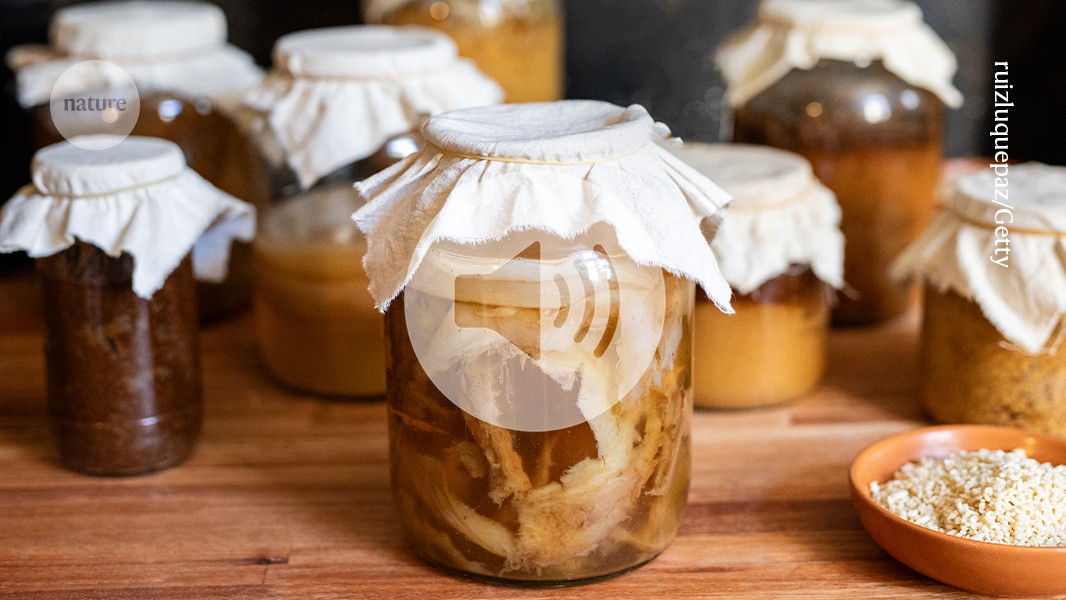
A scientist with a background in yeast genetics and cardiometabolic disease applies scientific thinking to food preparation and fermentation. Early experiences with cooking and protein behavior shaped an interest in how food mechanisms work, including protein structure, air capture, texture, and osmolarity effects across membranes. During lockdown, fermentation became a creative pursuit alongside day-job work, supported by microbiology knowledge. The combination of scientific understanding and creative practice helps identify unique opportunities in subjects that others do not approach in the same way. Fermented foods and microbial techniques are used as a platform for inventiveness and experimentation.
Read at Nature
Unable to calculate read time
Collection
[
|
...
]