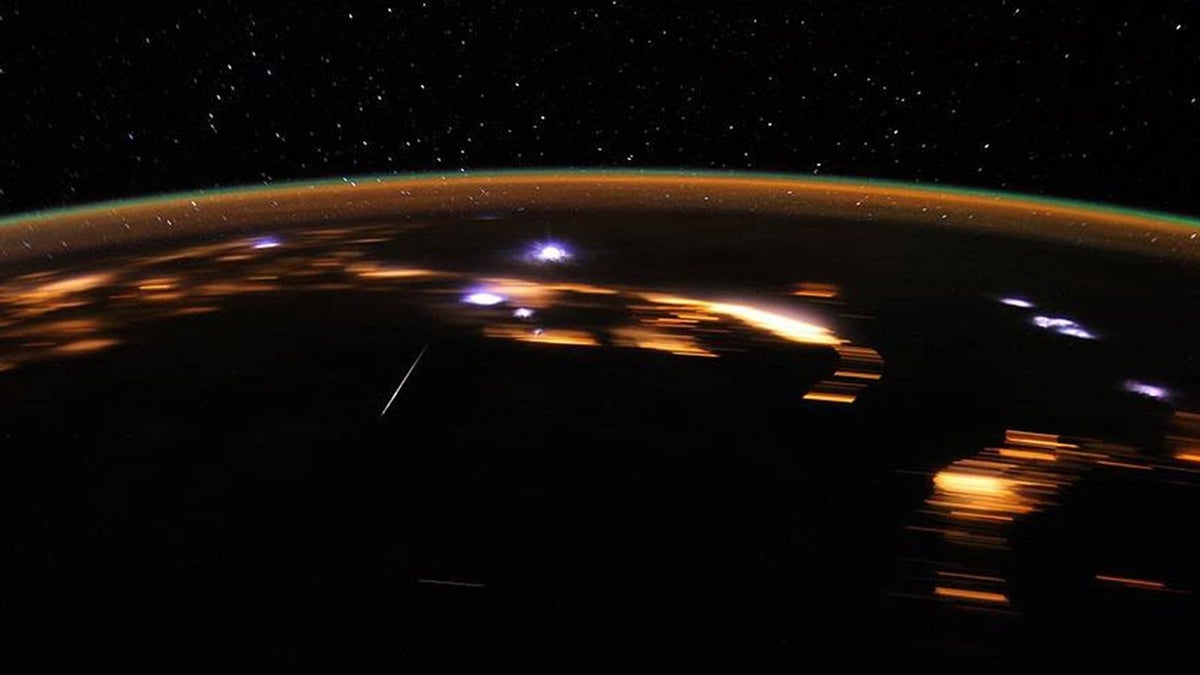
"The Lyrids have attracted awe from sky watchers for more than 2,700 years, according to NASA. This meteor shower is known for its bright, fast meteors and an occasional fireball."
"During meteor showers, Earthlings ooh and aah over bits of rock that have broken off comets or asteroids as they travel around the sun. When these particles hit our atmosphere, they fall and burn up, creating luminous streaks in the night sky."
"This year the Lyrids will peak on the nights of April 21 and April 22, with the maximum hitting at about 4 P.M. EDT on Wednesday."
The Lyrid meteor shower, one of the oldest known, peaks from April 21 to April 22. It has been observed for over 2,700 years. The meteors are remnants from Comet C/1861 G1 Thatcher. Typically, viewers can see about 18 meteors per hour, with occasional bursts of up to 100. The best viewing occurs in the early morning or after sunset, with meteors appearing to originate near the constellation Lyra, particularly close to the star Vega.
Read at www.scientificamerican.com
Unable to calculate read time
Collection
[
|
...
]