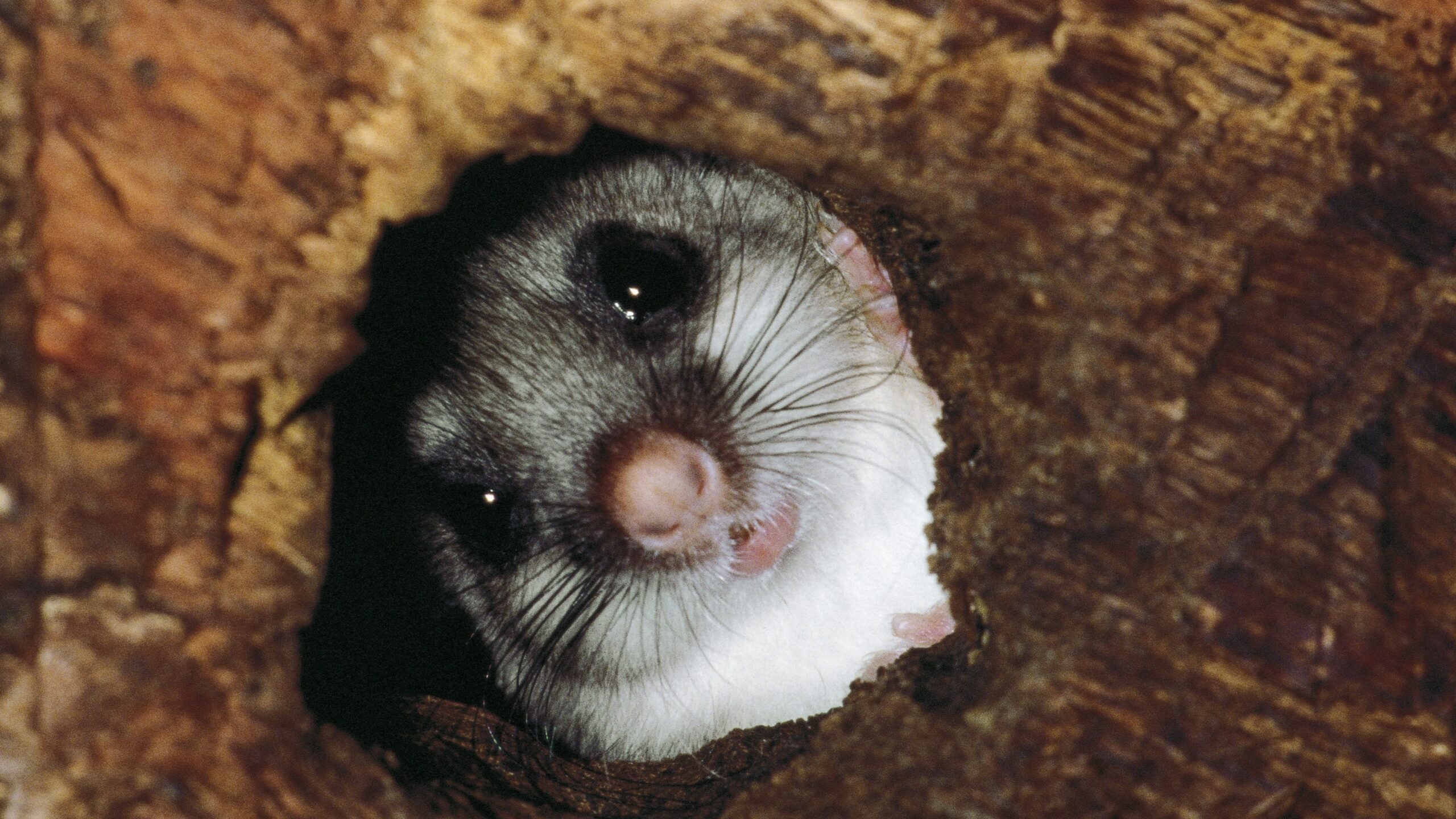
"Because we're homeotherms, we assume all mammals work the way we do. But in recent years, as improvements in technology allowed researchers to more easily track small animals and their metabolisms in the wild, we're starting to find a lot more weirdness."
"The body temperature of the fat-tailed dwarf lemur, for example, can fluctuate by nearly 45°F (25°C) over a single day. In fact, a growing body of research suggests that many more animals than scientists once appreciated employ this flexible approach—heterothermy—varying their body temperature for minutes, hours, or weeks at a time."
"These animals enter long periods of what scientists call deep torpor, when metabolism slows to a crawl and body temperature can drop to just above freezing. This may help the animals to persist through all sorts of dangers."
While humans and many mammals maintain stable body temperatures through homeothermy, numerous animal species employ heterothermy—the ability to fluctuate their internal temperature over minutes, hours, or weeks. Examples include the fat-tailed dwarf lemur, whose temperature can vary by 45°F daily. Advanced technology has enabled researchers to discover this flexible temperature regulation is far more common than previously believed. The most extreme form is hibernation, where animals enter deep torpor with dramatically reduced metabolism and body temperature near freezing, allowing survival through harsh winters and other environmental threats.
#heterothermy #body-temperature-regulation #hibernation #animal-survival-mechanisms #mammalian-physiology
Read at Ars Technica
Unable to calculate read time
Collection
[
|
...
]