"We don't have a really clear theoretical and experimental program to ask questions about the nature of life. Essentially, our working criteria are based exclusively on life on Earth. But across the vastness of the universe, life might present as radically different from what we've seen on our planet."
"Life may not have to be based on organic molecules, cells and DNA. Rather it might be easier to identify life using assembly theory, which means spotting complex systems that stem from traceable lineages and that have changed their environment in a way that only a living entity could."
"The vast possibility space of life far exceeds both what has been actualized here on Earth in our one single biosphere and also potentially our imaginations."
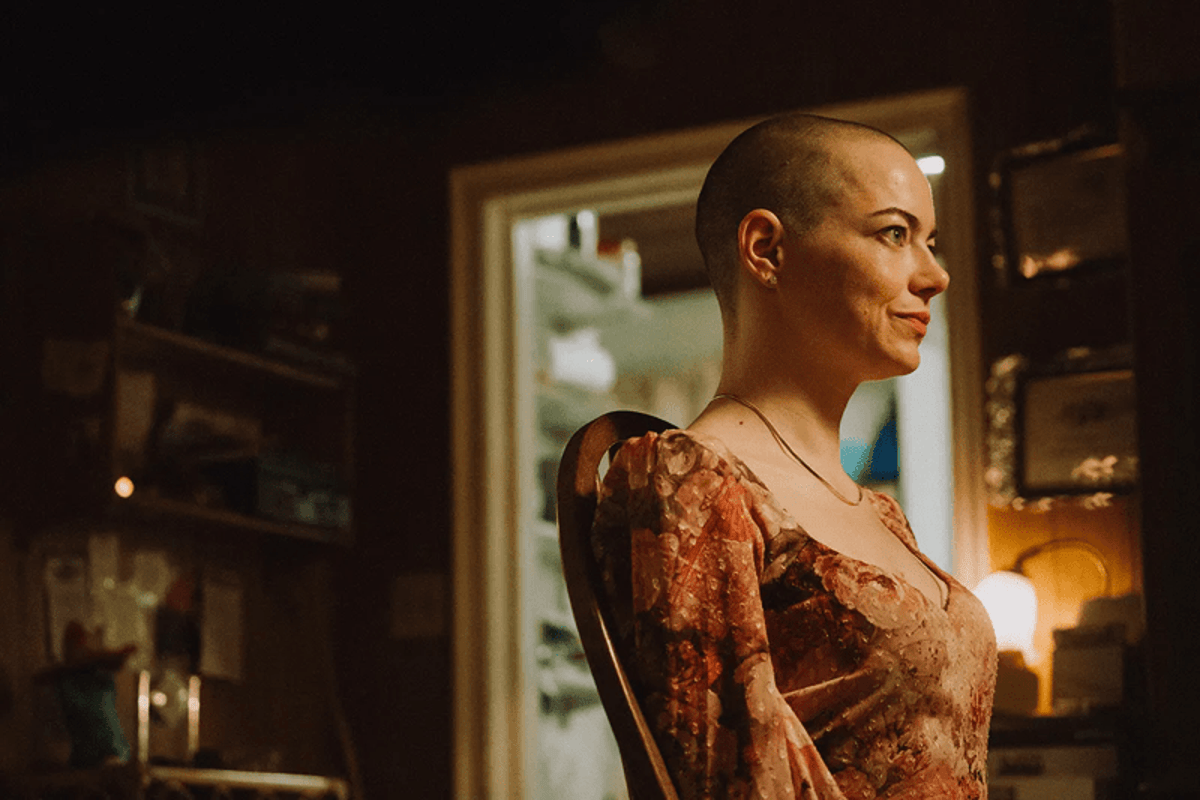
The movie Bugonia presents a premise where a warehouse worker accuses a CEO of being an alien killing bees to disrupt ecosystems. This fictional scenario raises a genuine scientific question: how would we recognize alien life? Scientists struggle with this challenge because there is no universal agreement on what constitutes life. Current definitions rely primarily on Earth-based criteria involving organic molecules, cells, and DNA. However, life in the universe could manifest in radically different forms. Astrobiologists propose assembly theory as an alternative framework, identifying life through complex systems with traceable lineages that alter their environment in ways only living entities could. The vast possibility space for extraterrestrial life far exceeds what exists on Earth and potentially human imagination.
#astrobiology #extraterrestrial-life-detection #definition-of-life #assembly-theory #alien-intelligence
Read at www.scientificamerican.com
Unable to calculate read time
Collection
[
|
...
]