"His interest in them fluctuated depending on what he needed in the moment - to look like a good dad or a cool one. Certainly never both at once. His attention was always directly tied to how visible he wanted his sons to be in his life and how that visibility might benefit him."
"Men who were also largely raised without present, reliable fathers. I waited to have sympathy for them because, of course, I thought of my own sons. I wondered if I would subconsciously excuse their behavior, as one young man's mother did with such flippant ease, because I imagined my own sons in this position."
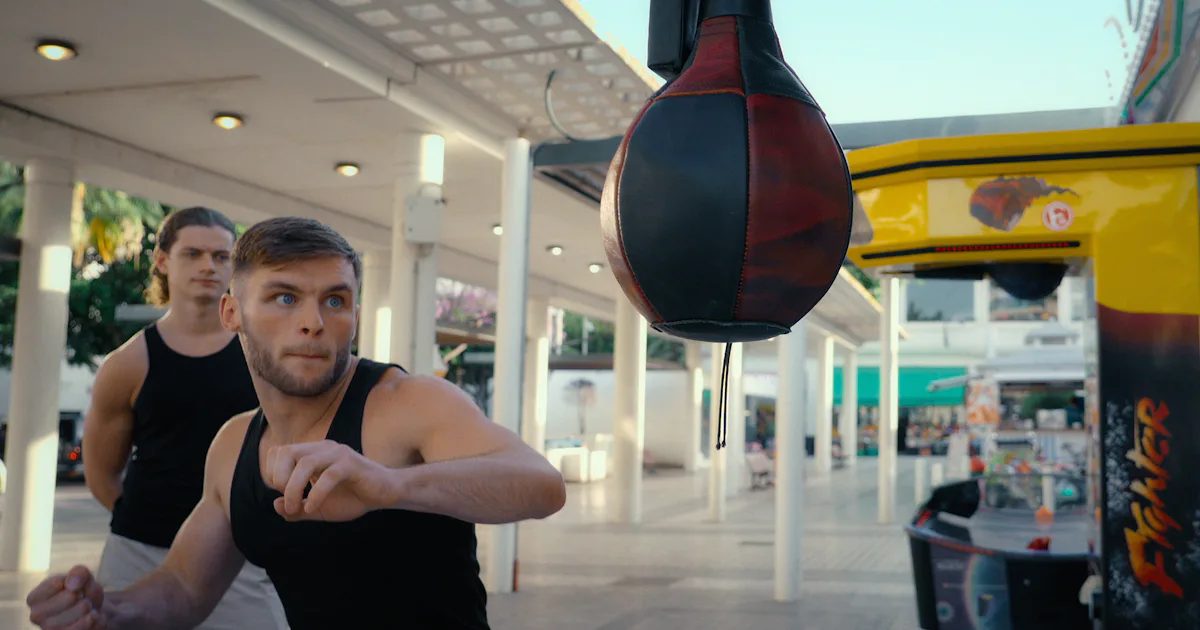
"One man has lost his brother to suicide, struggled with unemployment, lived in his car for a year, and is looking to the manosphere to tell him how to make things better. He lifts weights on the beach. He high-fives his bros. And he decided this has"
Absent and unreliable fatherhood creates emotional vulnerability in young men. The author's sons experienced a father whose attention fluctuated based on his needs rather than theirs. This pattern mirrors the backgrounds of men in the manosphere, as documented in Louis Theroux's Netflix film. However, the author's sons reject manosphere ideology entirely, suggesting that present, consistent parenting can prevent this path. Young men drawn to the manosphere often face genuine hardship—unemployment, homelessness, suicide loss—and seek guidance and belonging. While understanding the appeal of these communities through the lens of paternal absence, the author recognizes that manosphere figures offer only anger and tantrums rather than genuine solutions or emotional depth.
#fatherhood-and-parental-absence #manosphere-ideology #young-men-vulnerability #emotional-development #toxic-masculinity
Read at Scary Mommy
Unable to calculate read time
Collection
[
|
...
]