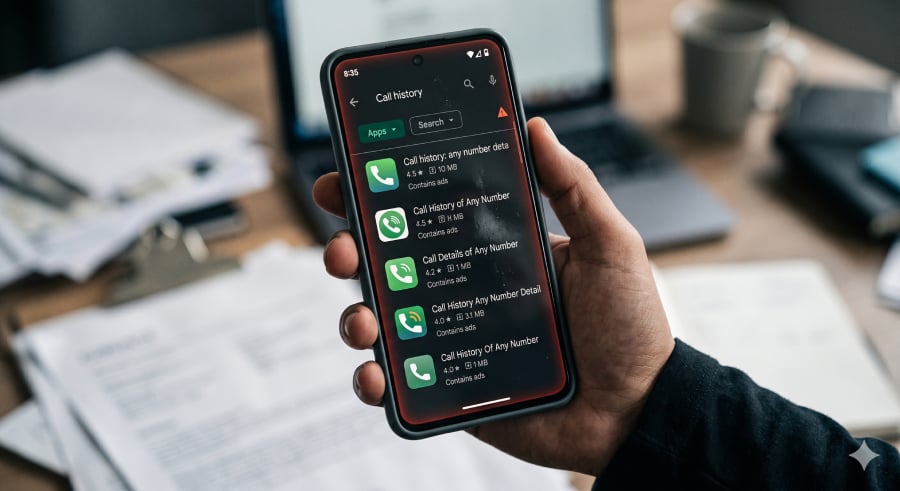
"ESET Research said it found 28 fraudulent Android apps, collectively known as CallPhantom, that claimed to retrieve call logs, SMS records, and WhatsApp call history for any phone number. The apps had been downloaded more than 7.3 million times before Google removed them from Google Play. A Google Play scam sold users the fantasy of peeking at someone else's call history. The records were fake, but the payments were real."
"“Unsurprisingly, our analysis showed that the 'call history' data provided by this app is entirely fabricated,” Štefanko said. The app generated random phone numbers and paired them with fixed names, call times, and call durations embedded in the code. Screenshots helped sell the illusion. In one Google Play listing, the app appeared to show call-history results as proof of functionality, but ESET researcher Lukáš Štefanko said the records were invented."
"The app names did much of the work. Listings such as “Call History of Any Number” made the offer instantly understandable, packaging access to private records as a simple mobile utility. The listings also had warning signs in plain view. Victims left negative reviews accusing the apps of scamming them, while some glowing reviews appeared to be fake. The store pages had just enough polish to make the scam look worth trying."
"Some CallPhantom apps teased users with partial results before asking them to pay for the full history. Others asked for an email address where the records would be sent before requesting payment. The case is a reminder that scam apps do not need sophisticated hacking tools to reach users at scale. CallPhantom relied on a familiar app-store setting, an invasive-sounding service, and a payment prompt."
ESET identified 28 fraudulent Android apps collectively called CallPhantom on Google Play. The apps claimed they could retrieve call logs, SMS records, and WhatsApp call history for any phone number. The apps were downloaded more than 7.3 million times before Google removed them. The scams relied on app names that made the offer clear, screenshots that implied real call-history results, and store pages with enough polish to appear legitimate. ESET found the “call history” data was entirely fabricated, generated by pairing random phone numbers with fixed names and embedded call times and durations. Some apps showed partial results or requested an email address before prompting payment for full access.
Read at TechRepublic
Unable to calculate read time
Collection
[
|
...
]