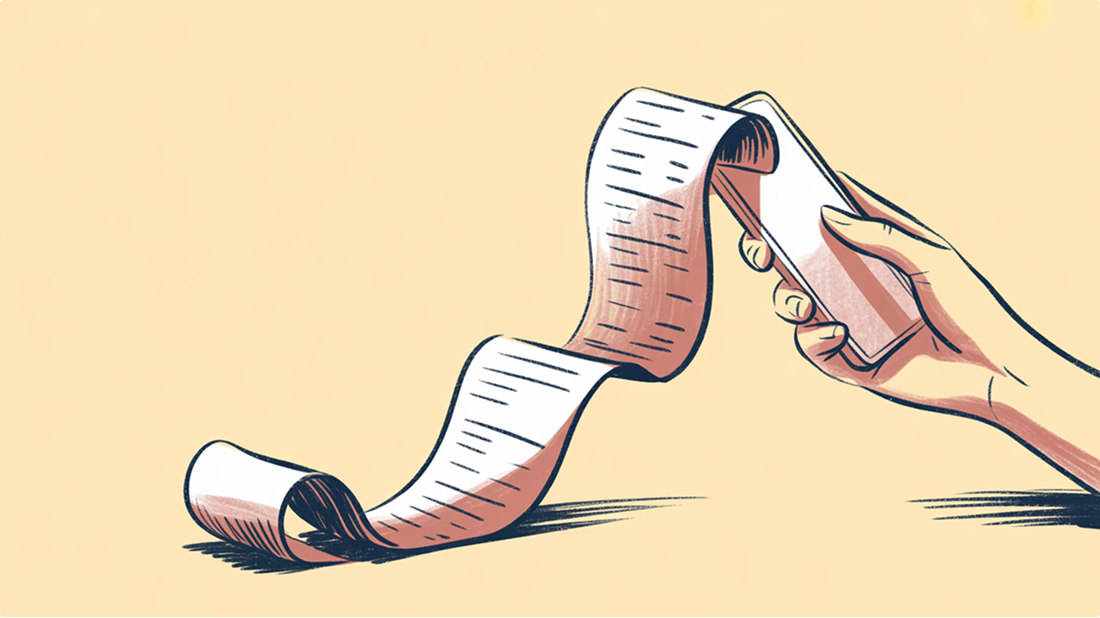
"Automation bias describes what happens when humans over-rely on automated systems, whether by accepting their outputs uncritically, or by losing the skills needed to take over when the system fails."
"The official accident report identified a central problem: the pilots had become so accustomed to the automated system handling the aircraft that when it stepped back, they didn't know how to step in."
"A 2025 systematic review in AI & Society found that automation bias has become a serious challenge in high-stakes domains including healthcare, law, and public administration."
"We are adding new entries to the list of cognitive biases, or more precisely, we are watching old ones mutate under conditions nobody planned for."
The emergence of AI is reshaping cognitive biases, introducing new challenges in decision-making. Automation bias, where humans overly rely on automated systems, has been identified as a significant issue in high-stakes fields such as healthcare and law. This phenomenon was highlighted by the tragic case of Air France Flight 447, where pilots failed to intervene due to over-reliance on automation. As AI continues to evolve, understanding these biases becomes crucial for effective human-machine interaction.
Read at Medium
Unable to calculate read time
Collection
[
|
...
]