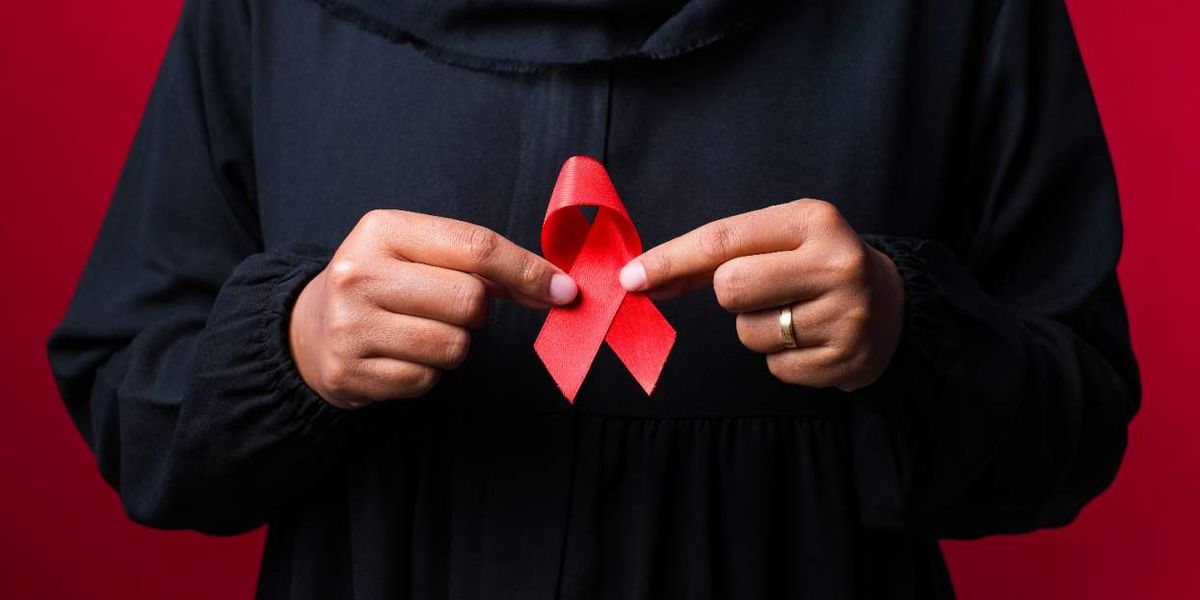
"According to the most recent data from the CDC, over 39,000 people were diagnosed with HIV in the U.S. in 2023. Black people accounted for 14,754 of these cases (38 percent), and had the highest rate of infection of any community (41.9 per 100,000). Over 66 percent of all HIV diagnoses were attributed to male-to-male sexual contact (MMSC). Of those attributed to MMSC, Black men accounted for nearly half (47 percent) of diagnoses among males ages 13 to 24."
"Black women accounted for half (50 percent) of HIV diagnoses among females, despite accounting for 13 percent of the female population. They had the highest HIV diagnosis rate of all women at (19.6 per 100,000), which was three times the rate among Hispanic or Latino women (6.7) and 11 times the rate among white women (1.8). Regardless of your gender and status, assistance is available. Here are some local and national organizations dedicated to fighting HIV in the Black community, and the resources they provide."
"The Black Women's Health Imperative, founded as the National Black Women's Health Project in 1983 Atlanta, Georgia, is the first nonprofit organization created by Black women and dedicated to Black women. It engages in educational and political outreach to "protect and advance the health" of Black women whether they're cisgender or transgender. The Center for Black Health & Equity is a national nonprofit organization that provides public health programs and services to communities and people of African descent."
In 2023 over 39,000 people in the U.S. were diagnosed with HIV; Black people accounted for 14,754 cases (38 percent) and had the highest infection rate (41.9 per 100,000). More than 66 percent of diagnoses were attributed to male-to-male sexual contact, with Black men representing nearly half of diagnoses among males ages 13 to 24. Black women accounted for 50 percent of female diagnoses while comprising 13 percent of the female population, with a rate of 19.6 per 100,000. Local and national organizations provide prevention, treatment linkage, behavioral health services, education, policy advocacy, and community-specific programs.
#hiv-disparities #black-communities #msm-male-to-male-sexual-contact #community-health-organizations
Read at Advocate.com
Unable to calculate read time
Collection
[
|
...
]