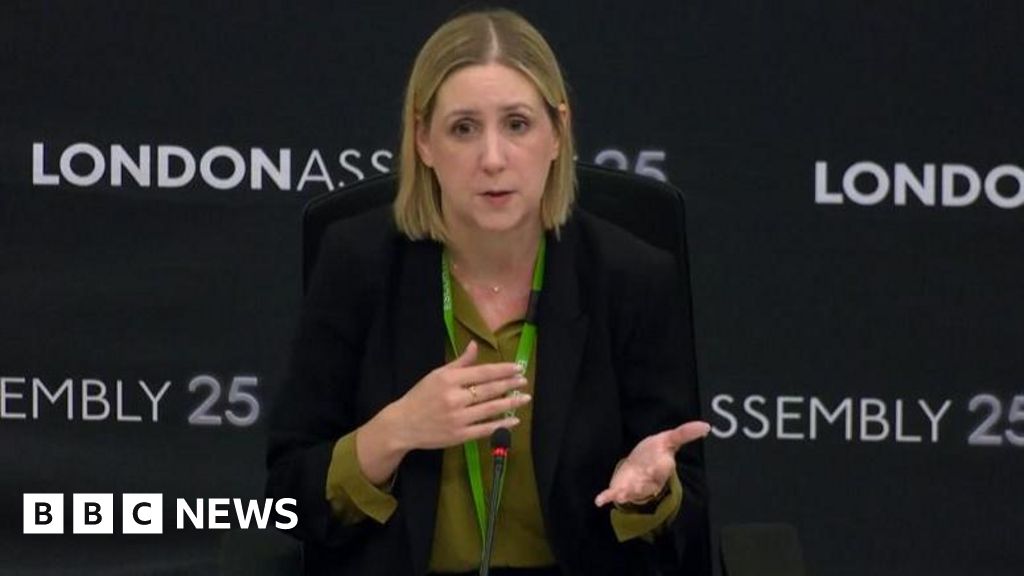
"frequent moves within the rented sector and the cost-of-living crisis pushing people out of London had made it difficult for the health service to reach eligible patients, which she described as "the impact of population churn". She added: "This is people changing addresses and then not updating their GP - this then affects the invitation process because GP details are used to identify individuals who are eligible. "In boroughs where we have the highest population churn, we see it strongly associated with lower uptake.""
"She noted that even in the wealthiest boroughs there can be high levels of movement, with around 40% of residents changing address within a year. Such areas also tend to have more people who own second homes or spend long periods abroad, making it harder for the NHS to keep contact details up to date. As a result, screening invitations may be sent to out-of-date addresses or to people who are overseas."
London recorded a 62.8% breast cancer screening uptake in 2024, below the NHS acceptable level of 70%. NHS London launched its first-ever screening campaign to increase early detection. Frequent moves within the rented sector and the cost-of-living crisis have pushed people out of London and created high population churn, making it difficult to reach eligible patients. People changing addresses without updating their GP disrupts the invitation process because GP details identify eligible individuals. Boroughs with highest churn have lower uptake. High-mobility and second-home ownership, time spent abroad, cultural barriers, fear and mistrust within some communities also reduce attendance.
Read at www.bbc.com
Unable to calculate read time
Collection
[
|
...
]