"The relentless bombardment has decimated Iran's military and leadership. But helped by the mass production of cheap drones, the forces that are left still retain enough combat power to attack Gulf neighbors and scare away commercial tankers from the Strait of Hormuz, keeping 20% of the world's oil bottled up."
"The tactic highlights the brutal economics of the current war: missiles that cost millions of dollars each are shooting down drones that cost tens of thousands of dollars. In other words, it's like the U.S. is using a Formula 1 racer to fight off a used car."
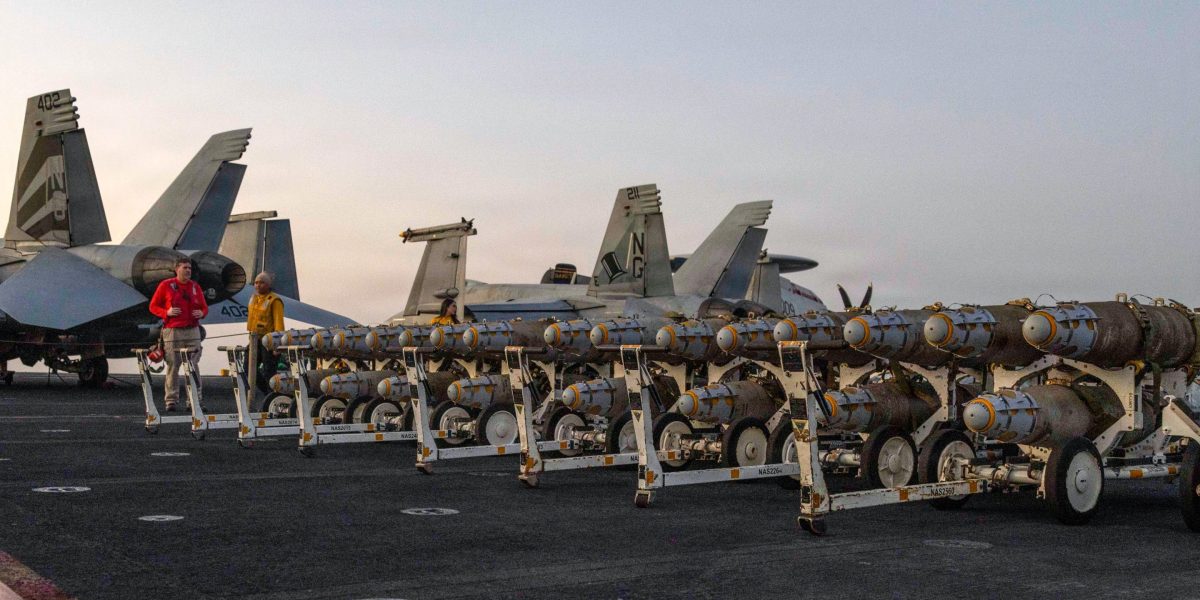
"U.S.-style warfare doesn't come cheap. The first six days of the Iran conflict have cost the U.S. more than $11 billion, though a switch to less expensive bombs has since slowed the daily bill."
"Part of the Pentagon's calculus, however, was to address the shortage of precision munitions and spur the defense industry to quickly restock supplies, sources told the Wa."
The U.S. war on Iran showcases advanced military capabilities through high-tech weapons and AI, resulting in over 7,000 strikes. Despite this, Iran's cheap drones maintain combat effectiveness, threatening Gulf neighbors and oil transport. The economic disparity is stark, with expensive missiles targeting low-cost drones. The conflict has incurred over $11 billion in costs within the first six days, raising concerns about munitions supply. Lawmakers reacted to a proposed $200 billion budget increase to replenish precision munitions and support defense industry restocking efforts.
Read at Fortune
Unable to calculate read time
Collection
[
|
...
]