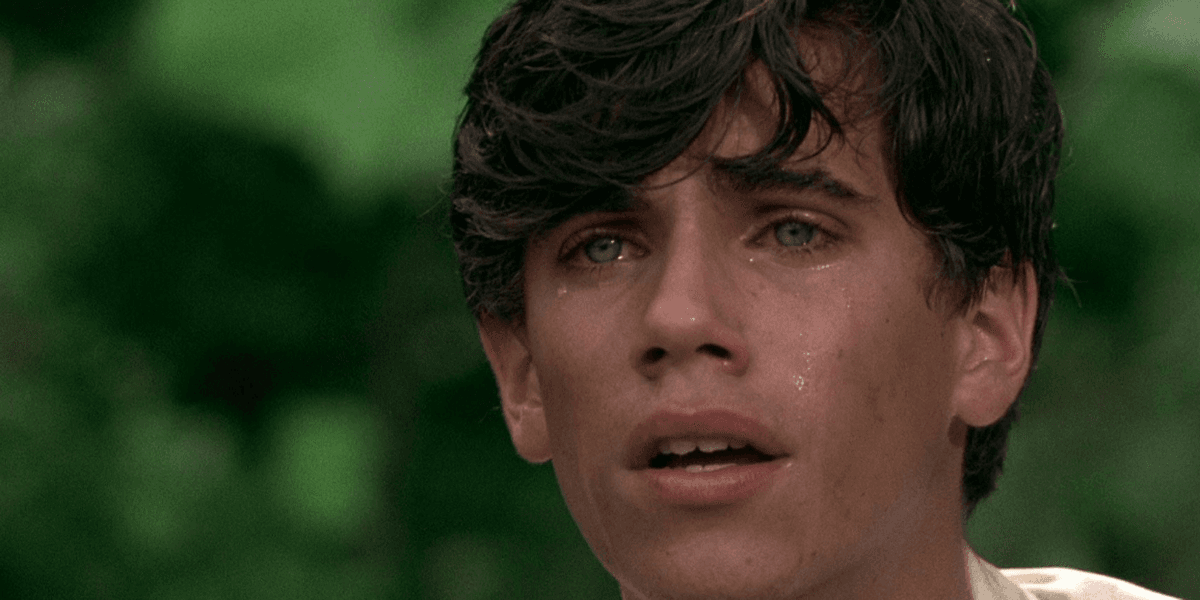
"Based on Bobbie Gentry's 1967 hit song of the same name, which is hauntingly empowered by lyrics that leave several mysteries untold for its 4 minutes and 15 seconds, the film needed answers. Summer of '42 novelist and screenwriter Herman Raucher provided some of his own invention and threw audiences and critics for a loop."
"Ode to Billy Joe was made ostensibly by straight folks. Raucher admitted that the homosexual bent was employed because of its novelty, not as a progressive social statement or post-Stonewall take on pre-Stonewall intolerance."
"One of the astonishing feats of this low-budget picture financed and released by a major studio, Warner Bros., is that its thematic left turn is unforeseen until the moment it happens in the story. It made for uncomfortable and silent car rides home from the movie house for closeted gay sons and daughters who attended with their parents."
The 1976 film adaptation of Bobbie Gentry's 1967 song Ode to Billy Joe introduced a homosexual subplot to explain the protagonist's suicide, a revelation not present in the original mysterious lyrics. Screenwriter Herman Raucher added this element for novelty rather than as a progressive statement about pre-Stonewall intolerance. Set in 1953 Mississippi but viewed through a contemporary 1976 lens, the film's thematic turn was deliberately concealed until its shocking revelation. This narrative choice created profound discomfort for closeted gay and lesbian viewers attending with their parents, a documented phenomenon in queer history. The original screenplay contained more explicit dialogue about the homosexual encounter than appeared in the final film version.
#lgbtq-cinema-history #1976-film-adaptation #closeted-identity-and-family-dynamics #pre-stonewall-representation #queer-subtext-in-mainstream-film
Read at Advocate.com
Unable to calculate read time
Collection
[
|
...
]