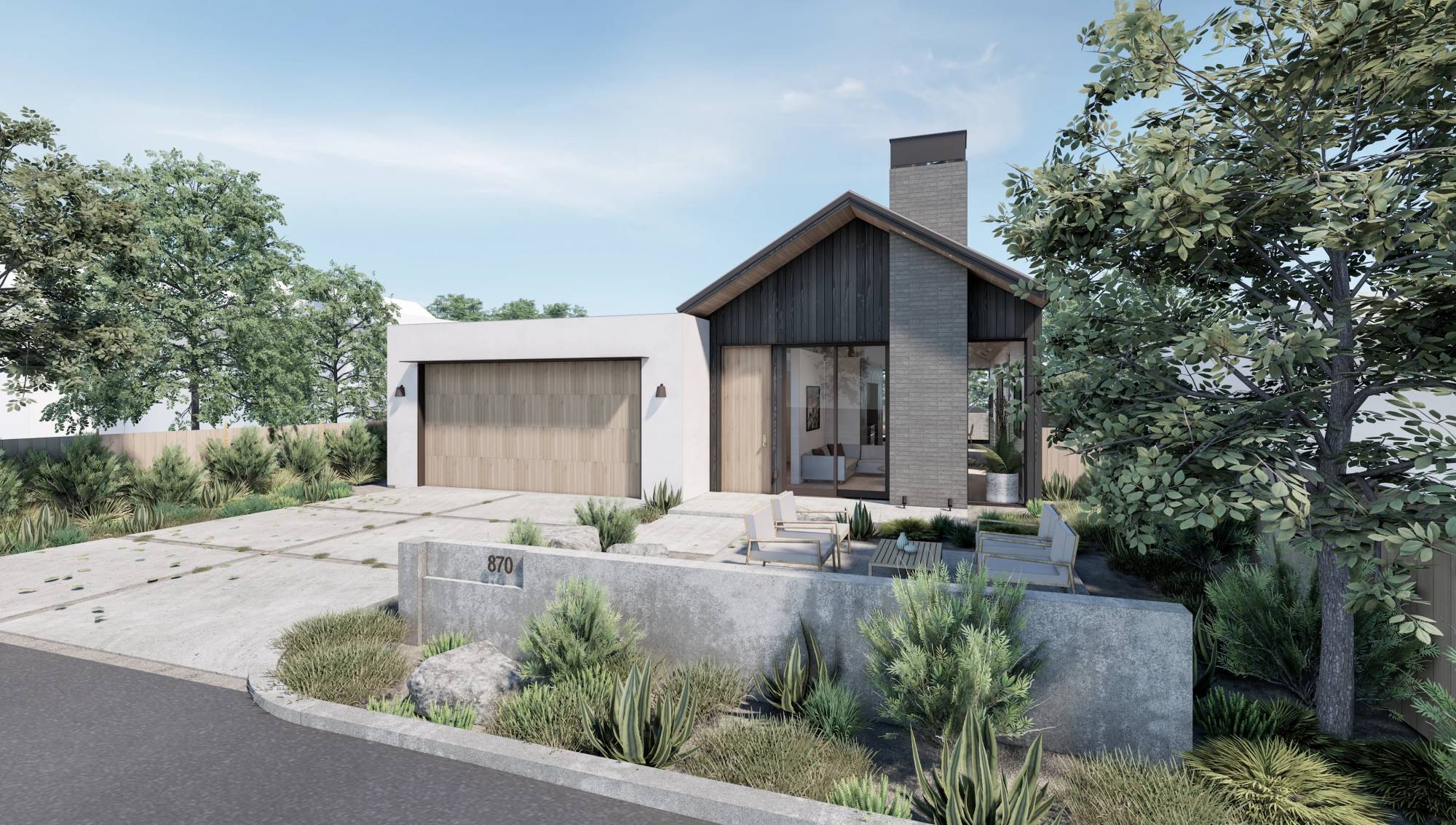
"The Haffords had lived in the Palisades for 35 years when the fires destroyed their 1941 bungalow and most of the other houses on their street. They're retired, their kids are grown, and as they told me on a call from Idaho, they knew they wanted to get back ASAP. "Right from the get-go, I think we were pretty convinced that we wanted to stay there," says Doug Hafford."
"Richard Beard Architects designed the house Deborah and Doug Hafford picked from the Case Study 2.0 catalog. The process from selecting the design to getting it approved and permitted by the city took about five months (Photo courtesy of Richard Beard Architects) Here are the morning's top stories on Monday, February 2, 2026 Now the first Case Study 2.0 house is about to break ground, designed by San Francisco's Richard Beard Architects for Deborah and Doug Hafford."
"He has openly criticized the Trump administration for its immigration policies, and has said he's performing less in the U.S. because of concerns about potential ICE activity outside his concerts. As state water officials surveyed the Sierra Nevada snowpack on Friday, California seems to be repeating last winter's topsy-turvy weather whiplash between super wet and dry conditions, raising worries about diminishing snow reservoirs."
The first Case Study 2.0 house, designed by Richard Beard Architects for Deborah and Doug Hafford, is about to break ground. The Haffords lost their 1941 bungalow and many neighboring houses in the Palisades fires after 35 years in the neighborhood. The couple selected a Case Study 2.0 design and completed city approval and permitting in about five months. The Haffords want a mid-century modern aesthetic with big open spaces, high ceilings, and abundant air and light, and hope to move in by the end of the year. Separately, concerns are rising about immigration policy debates and a Sierra Nevada snowpack decline to roughly 36 percent of average.
#case-study-20 #wildfire-recovery #mid-century-modern-architecture #bad-bunnysuper-bowl #sierra-snowpack
Read at Kqed
Unable to calculate read time
Collection
[
|
...
]