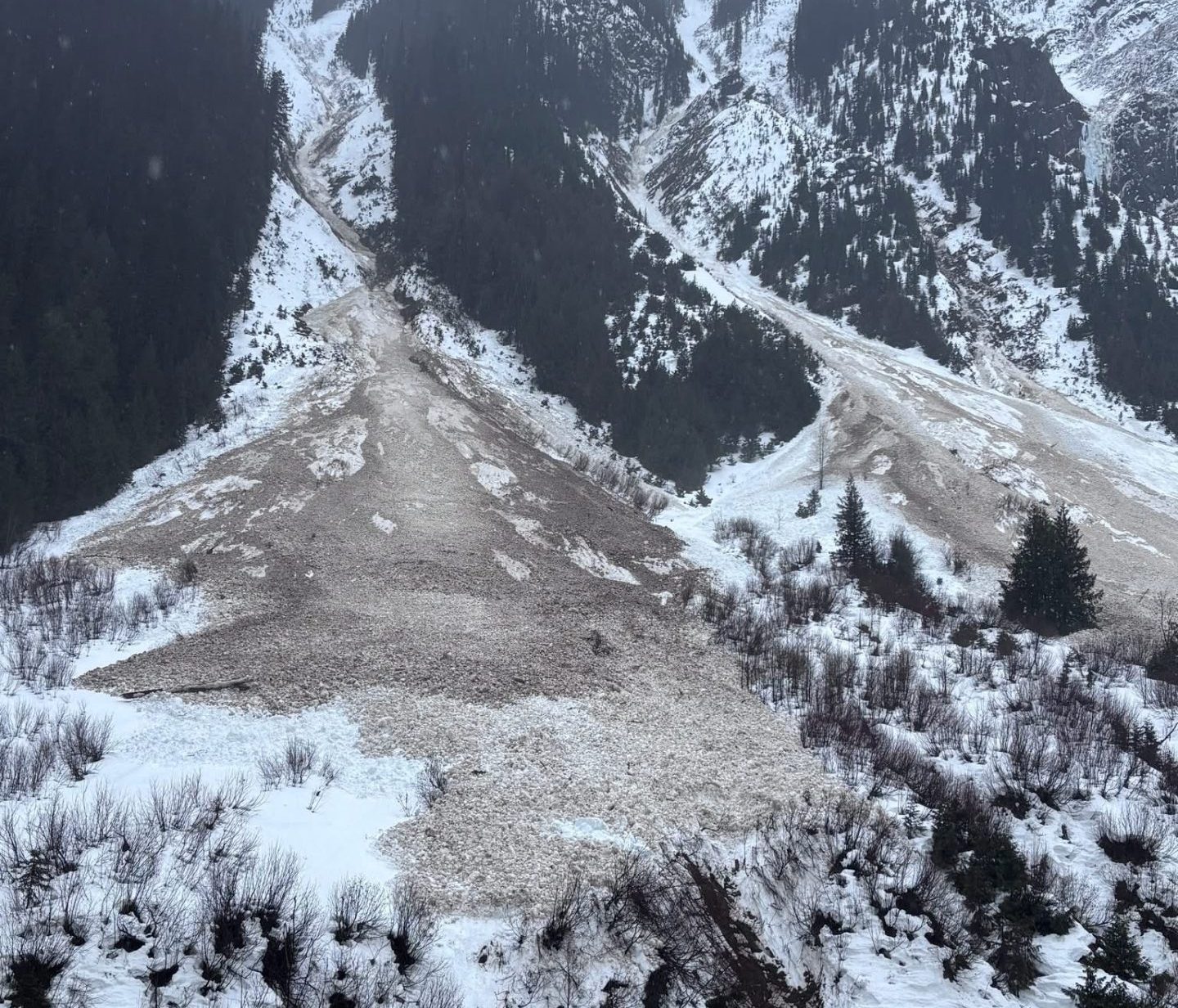
"Avalanche control work carried out on March 19 produced significant results, with artillery triggering avalanches up to size 4—large enough to destroy infrastructure and reach valley floors."
"Current conditions have deviated sharply from that pattern. Instead of snow, the region is receiving significant rainfall, allowing liquid water to penetrate deep into the snowpack."
"According to Parks Canada, 'artillery control is no longer effective under current conditions.' Furthermore, helicopter bombing operations are not possible, possibly delaying a safe opening of Rogers Pass."
"Two key factors are required before the highway can safely reopen: a drop in temperatures, allowing the snowpack to refreeze and strengthen, and a decrease in natural avalanche activity."
The Trans-Canada Highway through Rogers Pass is closed due to heavy rain and warm temperatures destabilizing the snowpack, causing large natural avalanches. Avalanche control efforts on March 19 were significant but insufficient as conditions worsened. Rain instead of snow has penetrated the snowpack, increasing avalanche risk. Natural avalanches are reaching the highway, and current mitigation methods are ineffective. Parks Canada states that the highway can only reopen after temperatures drop and natural avalanche activity decreases, leaving highway managers with limited options until conditions stabilize.
Read at SnowBrains
Unable to calculate read time
Collection
[
|
...
]