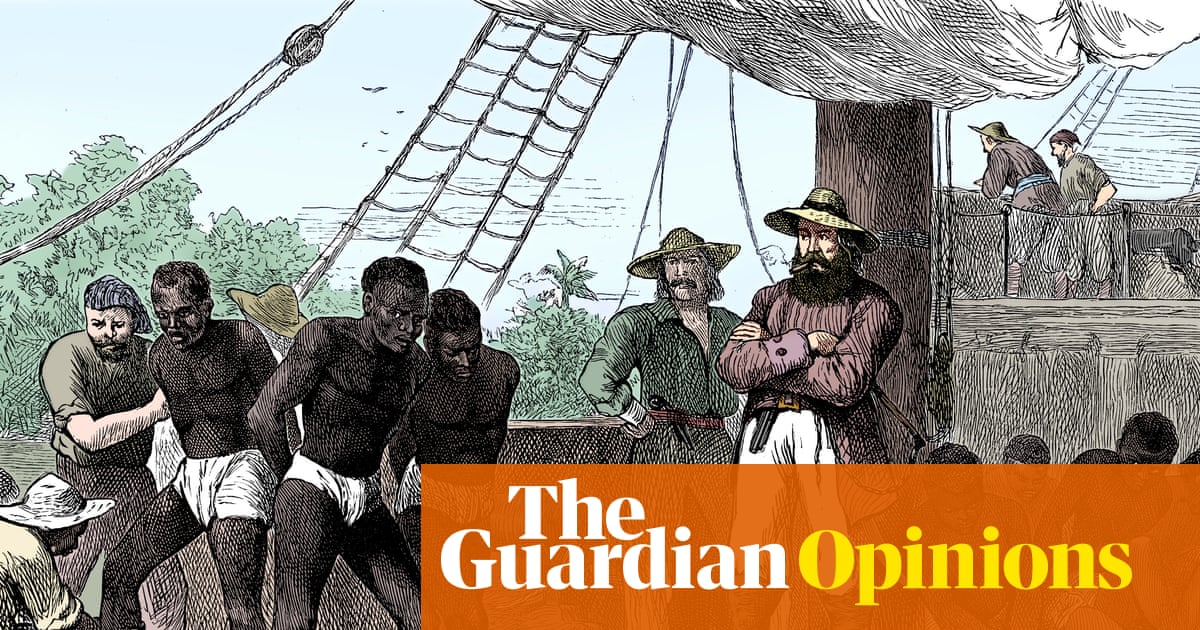
"Kwame Nkrumah reminded us that political independence without transforming the global systems that shape our economies and opportunities remains incomplete. This month, Ghana will table a resolution at the United Nations general assembly calling for the formal recognition of one of the greatest moral tragedies in human history: the transatlantic trafficking and enslavement of Africans as a crime against humanity, and the need for a process of repair."
"The call for reparatory justice is not new. It is rooted in a long, continuous tradition of resistance, advocacy and moral reasoning spanning centuries. From early African leaders who protested against the capture and sale of their people, to the struggles of the Haitian revolution, and the post-independence movements that reshaped the modern world, the demand for justice has endured."
"The African Union has now declared 2026 to 2035 as the Decade of Action on Reparations and African Heritage, underscoring the urgency and legitimacy of this global conversation. Together we seek not to reopen old wounds but to acknowledge them honestly, and to work collectively toward healing and justice in ways that strengthen our shared future."
Ghana celebrated its 69th independence day, invoking the courage of founding leaders. The country will propose a UN resolution recognizing transatlantic slavery as a crime against humanity. This initiative, supported by the African Union and Caribbean Community, aims for collective healing and justice. The call for reparations is rooted in a long tradition of resistance and advocacy. The 1993 Abuja Proclamation and the Caricom Reparations Commission have laid the groundwork for reparatory justice, with the African Union declaring 2026-2035 as the Decade of Action on Reparations.
Read at www.theguardian.com
Unable to calculate read time
Collection
[
|
...
]