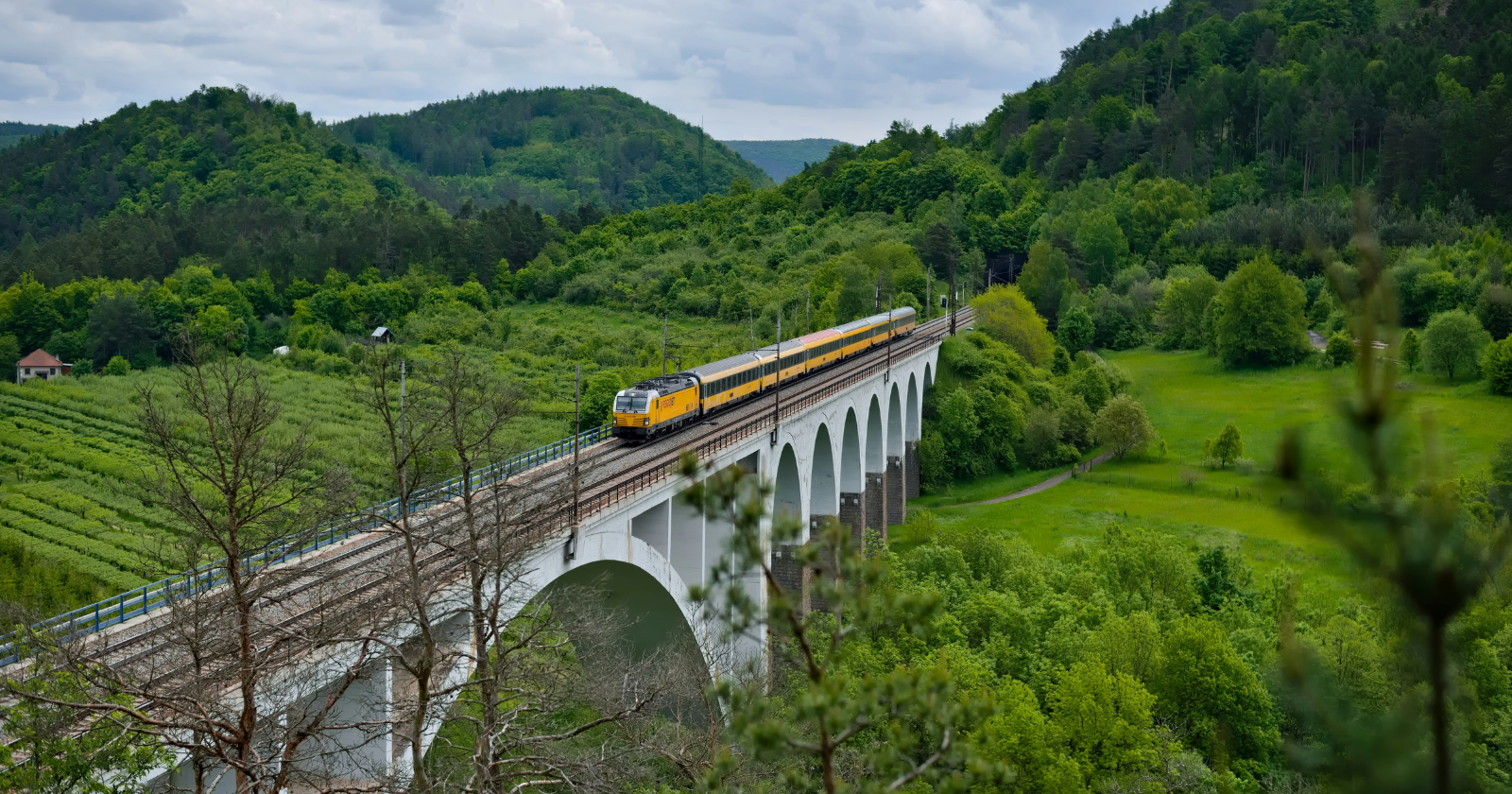
"Last month, I found myself pressed against the window of a train carriage somewhere between Switzerland and Italy, watching Alpine peaks slice through morning clouds while my coffee grew cold in my hand. The couple across from me had given up on their books entirely, both transfixed by the view. And here's the thing that struck me: this whole journey cost less than the budget flight I'd almost booked instead."
"Think about it. When you fly, you're essentially teleporting. You leave one city bubble, spend a few hours in an aluminum tube with recycled air and tiny windows, then pop into another city bubble. The landscape below? Just abstract patterns you glimpse through scratched plexiglass if you're lucky enough to have a window seat. But trains? They show you how places connect. You watch cities fade into suburbs, suburbs into farmland."
"We live in an age where flying has become the default for European travel. It's what we're supposed to do, right? Get there fast, tick the box, move on to the next destination. But what if the journey itself could be the point? What if slowing down actually gave us more? Why trains beat planes (and it's not just about the environment) Sure, you've heard the environmental arguments before."
European train travel often costs less than budget flights while offering continuous, scenic experiences that flying erases. Trains reveal gradual transitions between urban, suburban, rural, and mountainous landscapes, exposing architectural and cultural shifts. Train carriages provide opportunities for observation, contemplation, and social moments that airplane cabins rarely allow. Trains emit far less carbon per passenger than planes, adding environmental advantage to experiential benefits. Iconic routes such as the Bernina Express link Switzerland and Italy, delivering dramatic alpine views without premium fares. Narrative reflections evoke Paul Theroux's idea of trains as mobile meditation spaces.
Read at Silicon Canals
Unable to calculate read time
Collection
[
|
...
]