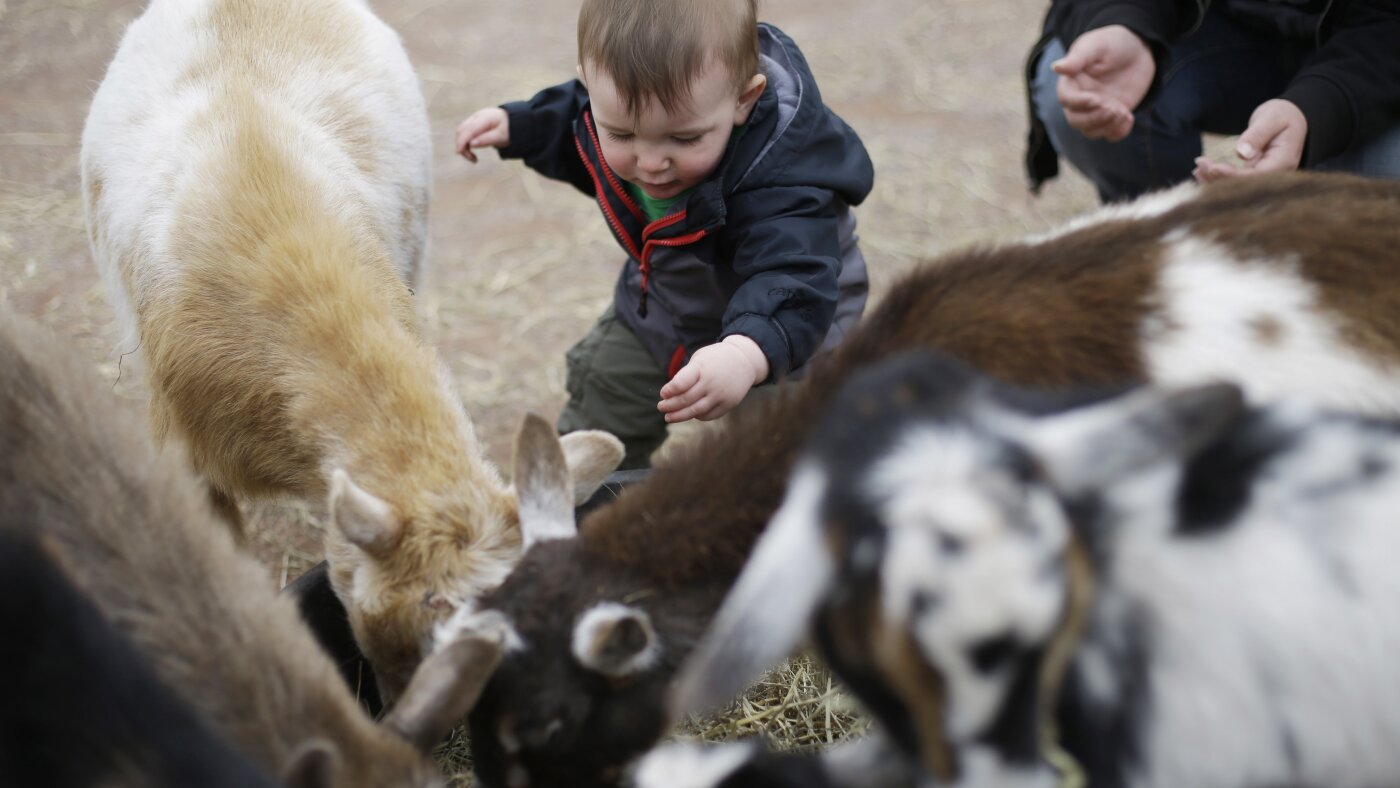
"The Vikings wreaked havoc and yet had a homey touch Kid entered the English language as a term for the offspring of a goat some 1,000 years ago as Vikings from Scandinavia (mainly modern-day Denmark and Norway) increasingly chose permanent settlement over raiding in northern and eastern England, according to Rob Watts, a journalist who hosts RobWords, a popular YouTube channel."
"He says people are not surprised to learn that words such as ransack, berserk, and knife come from the Vikings after all, their reputation for mayhem precedes them. But, Watts points out, the Vikings are also responsible for placing husband, window, egg, and kid in the English lexicon."
""During that period you have Vikings marrying Anglo-Saxon women and starting bilingual households. So we see a lot of quite mundane ... words passing between Old Norse and Old English," says Watts."
Kid entered English as a term for a young goat about a thousand years ago when Scandinavian Vikings settled in northern and eastern England. Viking settlement during the Danelaw brought Old Norse words into Old English through bilingual households and intermarriage. Words such as ransack, berserk, knife, husband, window, egg, and kid entered the lexicon during that period. The Old English word for a young goat, ticcen, was supplanted by kid. By the turn of the 17th century, in Shakespeare's time, kid was beginning to be used as a word for human children as well.
Read at www.npr.org
Unable to calculate read time
Collection
[
|
...
]