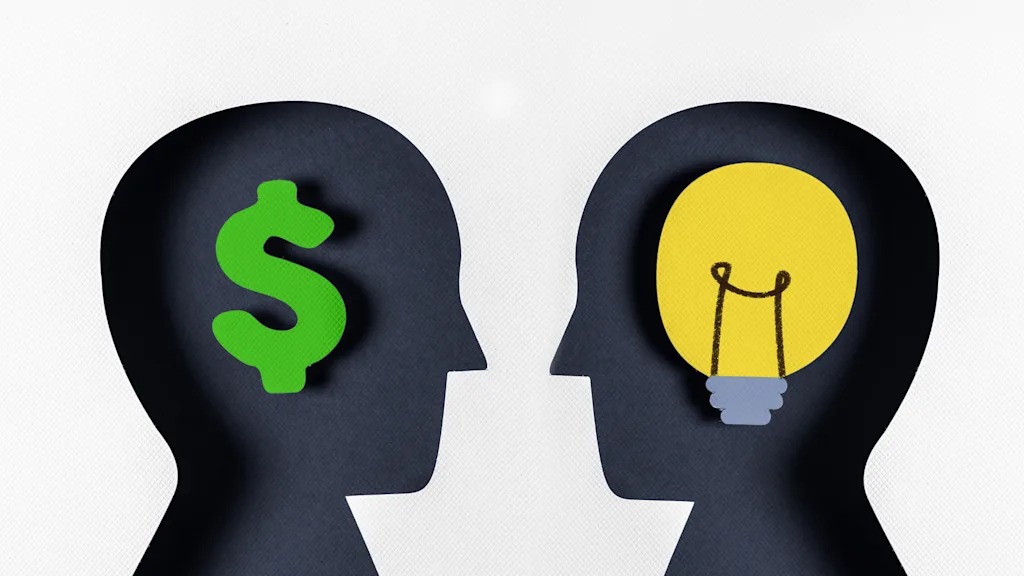
"Most products don't fail because they look bad. They fail because they don't hold up in real life. They're hard to open, awkward to carry, confusing to use, fine in ideal conditions but frustrating everywhere else."
"What matters just as much is what happens after purchase. Does the product reduce effort or add to it? Does it adapt to real conditions? Does it continue to work as life changes?"
"Each friction point requires adjustment and extra attention, shaping how people feel about a product and the brand behind it."
"Some products are designed so narrowly around function that they lose any sense of humanity, resulting in a mechanical feel that ignores how people want to feel using them."
Design has traditionally focused on aesthetics, which can lead to products that fail in real-life situations. Many products do not fail due to poor appearance but because they are impractical in daily use. Real-life conditions often differ from ideal scenarios, leading to frustration. The effectiveness of a product is determined by its ability to adapt to changing needs and reduce effort. Everyday examples illustrate this gap, highlighting the importance of balancing functionality with user experience to foster lasting connections with products.
Read at Fast Company
Unable to calculate read time
Collection
[
|
...
]